There’s something undeniably nostalgic about deviled eggs. Maybe it’s the way they remind you of family gatherings, holidays, or potluck dinners where the platter was always the first to disappear. These creamy, bite-sized beauties hold a special place in many kitchens, and for good reason. Deviled eggs are not only easy to make, but they’re also endlessly customizable, irresistibly creamy, and universally adored.
If you’ve ever wanted to master this classic starter, you’re in the right place. With this Mennonite-inspired deviled eggs recipe, you’ll discover just how simple it is to whip up a batch of creamy, tangy, and perfectly seasoned eggs that taste like they came from Grandma’s kitchen. Whether you’re prepping for Easter, Thanksgiving, or a weekend cookout, this guide will walk you through every step and help you make deviled eggs that get people talking.
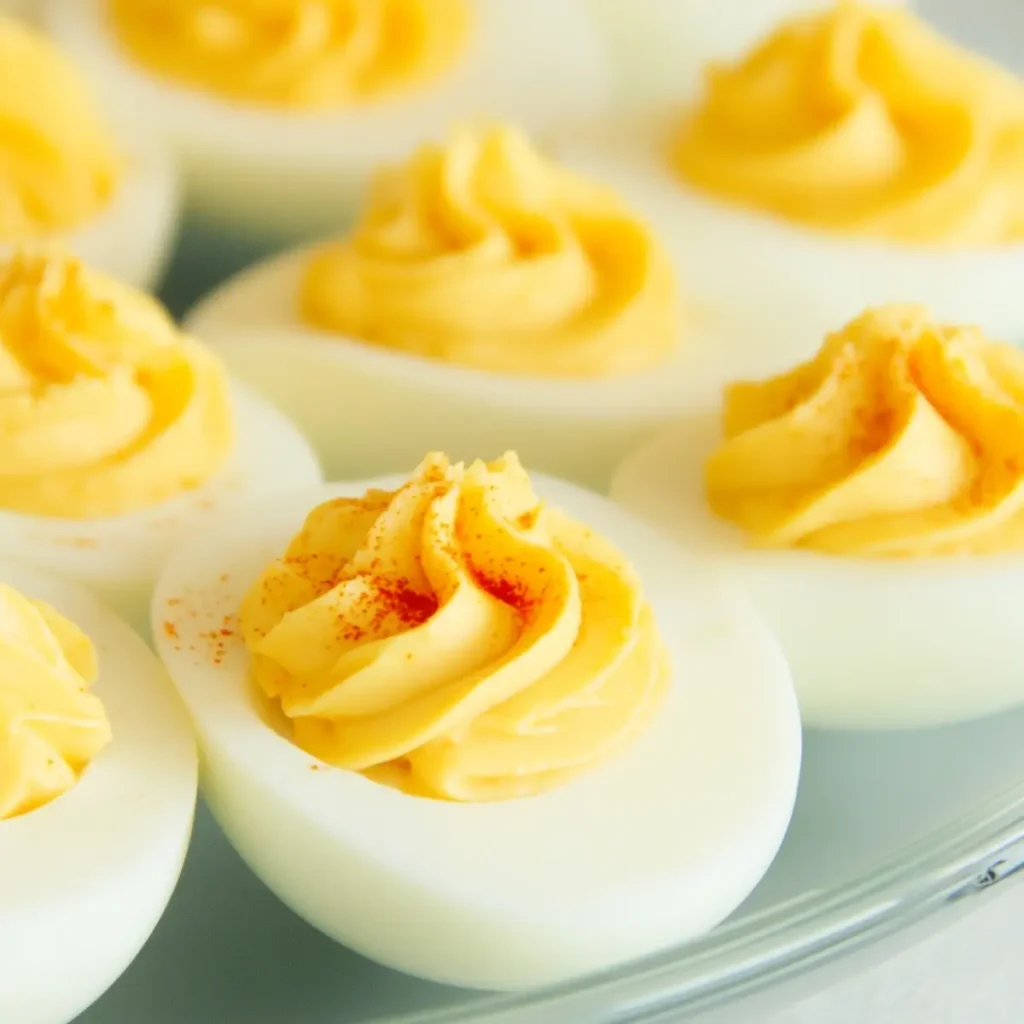
Table of Contents
What Are Deviled Eggs? A Timeless Party Favorite
Deviled eggs, also known as stuffed eggs or salad eggs, have a rich history and an even richer flavor. At their core, they’re hard-boiled eggs that have been sliced in half, with the yolks mixed into a creamy filling and piped back into the egg whites. While variations exist all around the world, the basic idea remains the same—turning a humble egg into a delicious appetizer.
The term “deviled” goes back to the 18th century and originally referred to dishes that were highly seasoned. In this case, it’s the combination of mustard, vinegar, and pepper that gives the eggs their devilish name. Over time, these eggs have become a mainstay at social gatherings because of their simplicity, elegance, and incredible flavor. They’re the kind of dish that’s always welcome, always eaten, and always remembered.
Classic Mennonite Deviled Eggs Recipe: Ingredients You Need
You don’t need a fancy pantry or hard-to-find ingredients to make deviled eggs that are both delicious and impressive. In fact, the beauty of this Mennonite-style recipe lies in its simplicity. Here’s what you’ll need to get started:
Main Ingredients:
- 6 large eggs
- ¼ cup mayonnaise (Hellman’s is preferred for its classic taste)
- ½ teaspoon white vinegar (or swap in apple cider vinegar or pickle juice)
- ½ teaspoon yellow mustard (or Dijon for a more refined flavor)
- 1 teaspoon milk (or cream for added richness)
- ¼ teaspoon salt
- ⅛ teaspoon ground black pepper
Optional Garnishes:
- Paprika for a pop of color and flavor
- Fresh parsley or chives for a herbaceous finish
Ingredient Notes and Substitutions
If you’re missing vinegar, don’t worry—pickle juice offers a tangy twist that works beautifully. While you might be tempted to reach for Miracle Whip, it’s best to stick with real mayonnaise, as the sweet flavor of Miracle Whip can overpower the delicate balance of the filling. And while yellow mustard brings that classic bite, Dijon lends a more sophisticated edge, especially if you’re serving a more upscale crowd.
How to Make Deviled Eggs Step-by-Step
Even if you’re new to the kitchen, making deviled eggs doesn’t require any special skills—just a bit of care and attention. Follow these steps and you’ll end up with a platter full of creamy, perfectly seasoned eggs.
1. Boil the Eggs
Start by hard-boiling your eggs. If you have an egg cooker, that’s the most foolproof method. Otherwise, bring a pot of water to a gentle boil, add the eggs, and cook them for about 10 minutes. Once done, transfer the eggs immediately to a bowl of ice water. This stops the cooking process, makes peeling easier, and ensures a bright yellow yolk without the greenish ring.
2. Peel and Halve
Once your eggs are cool enough to handle, gently peel them under running water. Then, slice each egg in half lengthwise with a sharp knife. Carefully pop out the yolks and place them in a mixing bowl or food processor.
3. Make the Filling
To the yolks, add the mayonnaise, vinegar, mustard, milk, salt, and pepper. Mix until smooth. A food processor gives the creamiest results, but a fork or hand mixer will work just fine. The milk is your secret weapon here—it adds a luscious, velvety texture that makes the filling irresistibly smooth.
Taste the filling. This step matters. Adjust the seasoning if needed—maybe a pinch more salt, a bit more mustard, or another dash of vinegar to get that perfect balance of tang and creaminess.
4. Fill the Egg Whites
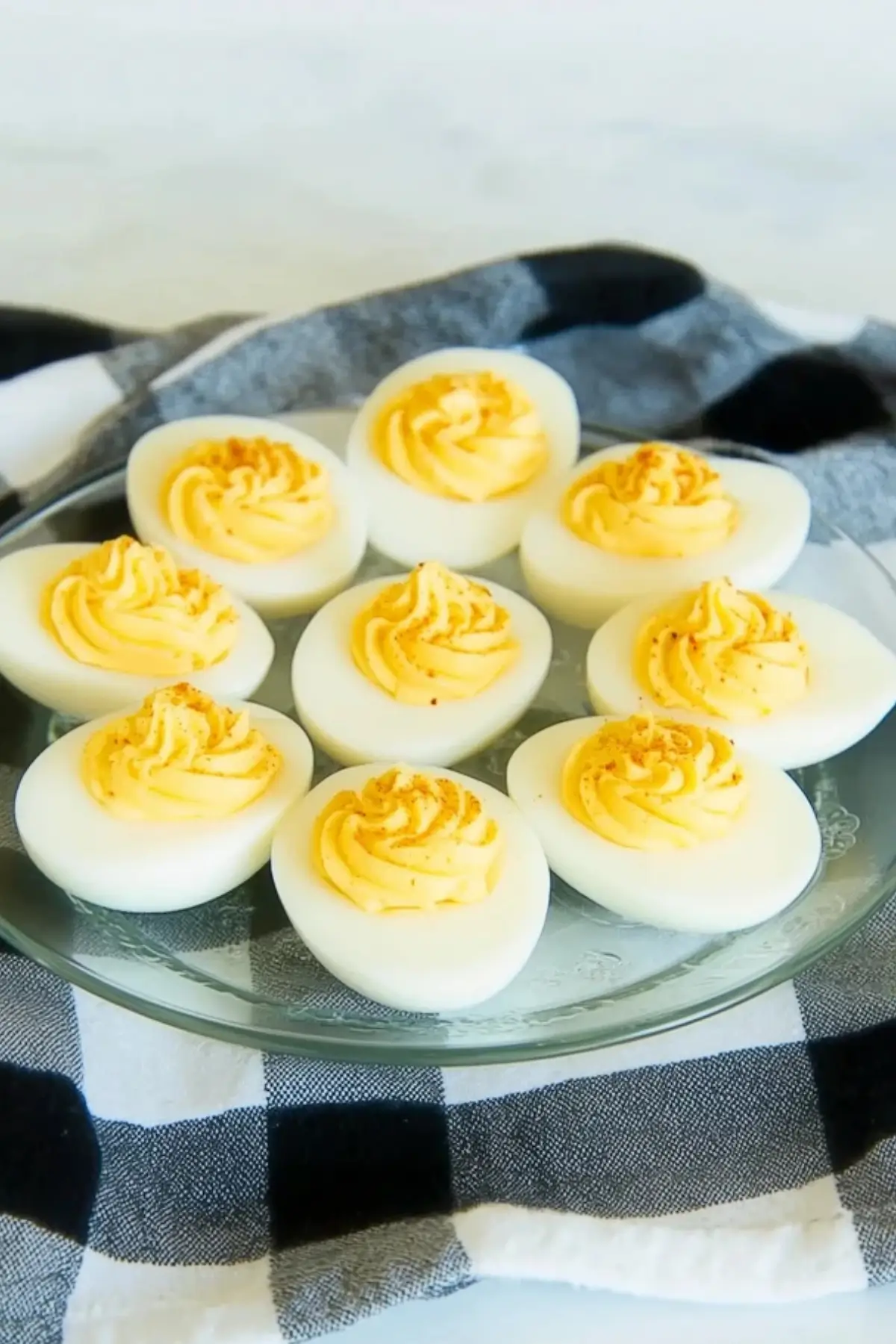
Spoon the yolk mixture back into the egg whites, or use a piping bag if you want a cleaner, more decorative look. A swirl tip adds a touch of flair that makes your eggs look as good as they taste.
5. Garnish and Chill
Dust each egg with a pinch of paprika and top with chopped parsley or chives if you like. Once they’re filled and garnished, refrigerate your deviled eggs until you’re ready to serve them. They’re best served cold.
Storage Tips: How Long Do Deviled Eggs Last?
You’ve made your deviled eggs and they look and taste amazing. So how long will they keep?
Store any leftovers in an airtight container in the refrigerator. They’ll stay fresh for up to 3–4 days, though for the best texture and flavor, try to serve them within a day of making them. If you’re prepping for a party, making them the night before is perfectly fine. Just don’t leave them sitting out too long during the event—deviled eggs don’t like warm temperatures.
Nutritional Information for Classic Deviled Eggs
Want to know what you’re actually eating? Here’s a breakdown of the nutrition for every two halves (about one whole egg’s worth):
- Serving Size: 2 halves
- Calories: 119
- Total Fat: 10g
- Saturated Fat: 2g
- Trans Fat: 0g
- Unsaturated Fat: 7g
- Cholesterol: 189mg
- Sodium: 313mg
- Carbohydrates: 0g
- Fiber: 0g
- Sugar: 0g
- Protein: 6g
This makes deviled eggs a surprisingly healthy option, especially if you’re watching your carb intake or looking for a high-protein snack. Just go easy on the salt if you’re monitoring sodium levels.
FAQ About Deviled Eggs
What’s the best way to boil eggs for deviled eggs?
To get perfectly cooked yolks and shells that peel easily, boil your eggs and then plunge them into an ice bath immediately. This stops the cooking and loosens the shell, making peeling a breeze.
Can I make deviled eggs the night before a party?
Absolutely. In fact, making them the night before lets the flavors meld beautifully. Just store them in a sealed container in the fridge, and add the garnish just before serving for the freshest look.
How can I make my deviled eggs extra creamy?
Milk or cream is the secret. Just a teaspoon added to the yolk mix transforms the texture into something silky and rich. Also, blending the mixture in a food processor can eliminate lumps and give you that ultra-smooth consistency.
Conclusion
Deviled eggs might be simple, but they hold a power few appetizers can match. They’re comforting, elegant, and always the first thing to disappear from the table. This Mennonite-style version is rich, creamy, and packed with flavor that delivers every single time.
Now that you’ve seen just how easy they are to make, it’s your turn to bring this classic to life in your own kitchen. Use this recipe as your base, then feel free to make it your own—add a hint of heat with a dash of hot sauce, or a tangy twist with relish or pickled onions. No matter how you serve them, you can be sure of one thing: they’ll be gone before you know it.
More Delicious Recipes
- Dijon Deviled Eggs: This elevated take on the classic deviled egg features a zesty Dijon twist that brings a bold, tangy flavor to the creamy filling. It’s perfect for those who enjoy deviled eggs with a little more depth and bite.
- Southern Deviled Eggs: Rich, creamy, and subtly sweet, this Southern-style deviled egg recipe incorporates traditional Southern flavors for a comforting, nostalgic bite that’s ideal for gatherings and family meals.
- Baked Feta Eggs: Though a different preparation style, this savory egg dish delivers a creamy, tangy experience thanks to the feta cheese. A great option for brunch or a sophisticated egg-based appetizer.
Deviled Eggs
Classic deviled eggs are a creamy, tangy, and savory appetizer made with hard-boiled eggs and a rich yolk-based filling. This Mennonite-style recipe is quick to prepare and perfect for holidays, gatherings, or everyday snacking.
- Prep Time: 10 minutes
- Cook Time: 10 minutes
- Total Time: 20 minutes
- Yield: 6 servings
- Category: Appetizer
- Method: Boiled
- Cuisine: American
Ingredients
- 6 large eggs
- 1/4 cup mayonnaise
- 1/2 tsp white vinegar
- 1/2 tsp yellow mustard
- 1 tsp milk
- 1/4 tsp salt
- 1/8 tsp black pepper
- Paprika, for garnish
- Fresh parsley, for garnish
Instructions
- Hard-boil the eggs using an egg cooker or stovetop method for 10 minutes.
- Immediately transfer the eggs to an ice water bath to stop cooking and make peeling easier.
- Peel the cooled eggs and cut each in half lengthwise.
- Remove yolks and place them in a food processor or mixing bowl.
- Add mayonnaise, vinegar, mustard, milk, salt, and pepper to the yolks.
- Blend or mash until the mixture is smooth and creamy.
- Spoon or pipe the filling into the egg white halves.
- Sprinkle with paprika and garnish with fresh parsley if desired.
- Refrigerate until ready to serve.
Notes
- Older eggs peel more easily than fresh ones.
- Pickle juice can be used instead of vinegar for a tangy twist.
- Dijon mustard can be substituted for yellow mustard for a sharper flavor.
- Use a piping bag for a cleaner and more decorative presentation.
- Best served the same day, but can be made one day ahead.