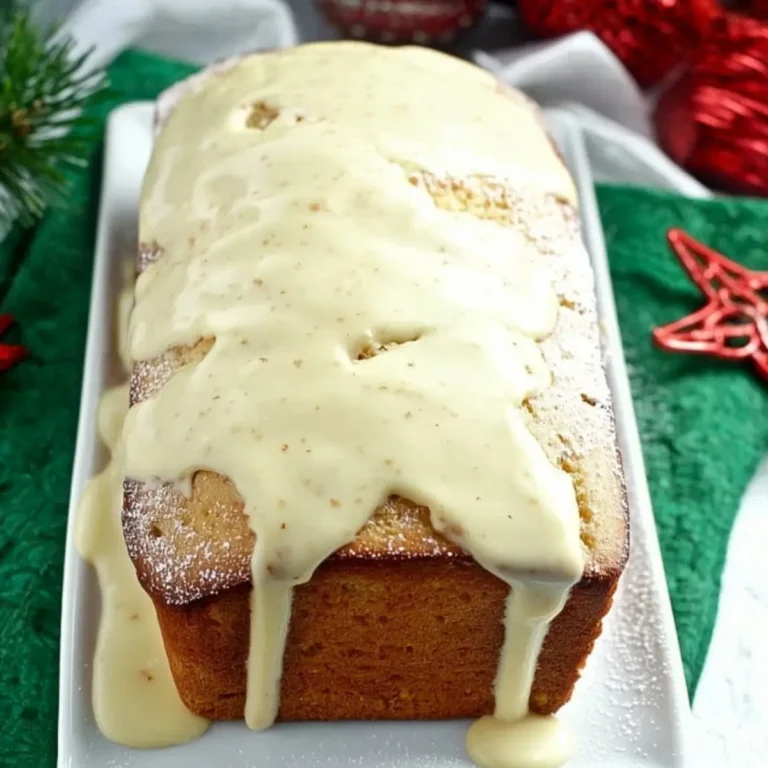
There’s something timeless and soul-satisfying about baking your own bread. Maybe it’s the comforting aroma that fills your kitchen or the pride that comes with slicing into a loaf you made from scratch. Whatever the reason, the idea of baking bread often feels daunting—especially if you’re new to it. But what if you discovered that making soft, fluffy, homemade white bread was not only doable, but also simple and rewarding?
This guide will walk you step-by-step through an easy homemade white bread recipe, crafted with beginners in mind. With just a few pantry staples, a little patience, and this foolproof method, you’ll soon be serving fresh bread that tastes better than anything you’ll find on a grocery store shelf.

Table of Contents
Why You’ll Love This Easy Homemade White Bread Recipe
If you’ve never baked bread before, this recipe is a gentle place to start. It skips complicated techniques and focuses on essentials, so you can build your confidence one step at a time. Here’s why this recipe is worth your time:
Beginner-Friendly Process
This recipe doesn’t rely on special equipment. All you need is a bowl, your hands, and a little bit of kitchen curiosity. Every step is straightforward, and each one leads you closer to a bakery-worthy loaf.
Incredibly Versatile
This white bread works in just about any meal. Use it for sandwiches, pair it with soup, or enjoy it plain with a spread of butter. Once you master the base, you can start experimenting with herbs, cheeses, or seeds.
Better Than Store-Bought
Because you’re using fresh ingredients and skipping preservatives, the taste and texture are noticeably better than most commercial loaves.
Affordable and Practical
With only six core ingredients, this bread is as economical as it is delicious. You’ll likely already have everything you need.
Ingredients You’ll Need
To create a perfectly balanced, soft white loaf, you’ll need the following:
- 3 ½ cups all-purpose flour – Gives your bread structure without being too dense.
- 2 ¼ teaspoons active dry yeast – Provides the rise and fluffy interior.
- 1 cup warm water (100–110°F) – Activates the yeast without killing it.
- 2 tablespoons sugar – Feeds the yeast and adds a hint of sweetness.
- 1 teaspoon salt – Balances flavor and controls yeast activity.
- 2 tablespoons unsalted butter (softened) – Adds richness and soft texture.
Each of these ingredients plays a specific role. Avoid substitutions on your first try so you can fully understand how the dough should behave.
Step-by-Step Guide to Making White Bread at Home
Activate the Yeast
Begin by combining the warm water and sugar in a small bowl. Sprinkle the yeast over the top and let it sit undisturbed for about five minutes. It should start to foam—a sign that the yeast is alive and ready to work. If nothing happens, your yeast might be expired. Start over with fresh yeast.
Mix the Dry Ingredients
In a large bowl, whisk together the all-purpose flour and salt. This ensures an even distribution and prepares your dry base for the wet mixture.
Combine and Form the Dough
Add the softened butter to the activated yeast mixture, then pour everything into the dry ingredients. Stir with a spoon until a shaggy dough forms. It may look rough—that’s normal at this stage.
Knead the Dough
Transfer the dough to a lightly floured surface. Use the heels of your hands to push the dough forward, then fold it back toward you. Repeat this motion for about 8 minutes. You’re aiming for a smooth, elastic texture that bounces back when gently pressed.
If the dough sticks too much, add a little more flour—a tablespoon at a time. But don’t go overboard. Too much flour can make your bread dense.
First Rise
Place the kneaded dough in a greased bowl and cover it with a clean towel. Let it sit in a warm, draft-free area for about an hour or until it doubles in size. This step is essential for developing flavor and structure.
A good spot for rising is inside a turned-off oven with the light on or next to a sunny window.
Shape and Second Rise
Once your dough has doubled, punch it down gently to release air bubbles. Shape it into a loaf and place it in a greased 9×5-inch bread pan. Cover again and let it rise for another 30 minutes. During this time, preheat your oven to 375°F (190°C).
Bake to Perfection
Bake the bread for 25 to 30 minutes, or until the top turns golden brown and the loaf sounds hollow when tapped. If you’re unsure, a thermometer inserted into the center should read around 190°F (88°C).
After baking, transfer the bread to a wire rack and let it cool completely before slicing. Cutting into it too early will result in a gummy texture.
Tips for Better Bread Every Time
- Use Fresh Ingredients: Check expiration dates on your yeast and flour. Stale ingredients can ruin your bread’s rise and flavor.
- Watch Your Water Temperature: Too hot, and it kills the yeast. Too cold, and it won’t activate.
- Don’t Over-Knead: Once the dough is smooth and elastic, stop. Over-kneading can toughen the bread.
- Let it Cool: Bread continues to set after it comes out of the oven. Cutting too soon compromises texture.
Best Ways to Enjoy Homemade White Bread
Once you’ve got a fresh loaf, the serving possibilities are endless. Here are a few ideas:
- Pair slices with hot soup for a comforting dinner
- Toast it and top with peanut butter or jam for a quick breakfast
- Build sandwiches with crispy lettuce, deli meats, or melted cheese
- Make French toast for weekend brunch
It’s also perfect as a side for hearty stews or pasta dishes. The mild flavor works with both sweet and savory pairings.
Storage and Make-Ahead Advice
Make-Ahead Tip
You can make the dough a day in advance. After the first rise, cover and refrigerate overnight. Let it come to room temperature before shaping and baking the next day. This extended fermentation deepens flavor.
Storage Guidelines
Once cooled, store your bread in a sealed container at room temperature for up to three days. Avoid refrigerating—it dries out the bread. For longer storage, slice the loaf and freeze individual pieces in zip-top bags.
Reheating
To reheat, wrap in foil and warm in a 350°F (175°C) oven for 10 to 15 minutes. This restores the softness and fresh-from-the-oven flavor.
Nutritional Information (Per Serving)
- Serving Size: 1 slice
- Calories: 120
- Sugar: 1g
- Sodium: 150mg
- Fat: 2g
- Saturated Fat: 1g
- Unsaturated Fat: 0.5g
- Trans Fat: 0g
- Carbohydrates: 23g
- Fiber: 1g
- Protein: 3g
- Cholesterol: 5mg
This bread is relatively low in sugar and fat, making it a better option than many store-bought loaves filled with preservatives and additives.
Frequently Asked Questions About Easy Homemade White Bread
How long does it take to make easy homemade white bread?
From start to finish, the process takes about 3 to 4 hours, depending on how warm your kitchen is. Actual hands-on time is only around 30 minutes. Most of the process involves resting the dough to rise.
Can I use whole wheat flour in this easy homemade white bread recipe?
You can, but with adjustments. Whole wheat flour absorbs more water, so you may need to increase the liquid slightly. Also, expect a denser texture. For best results, try using half white flour and half whole wheat.
What should I do if my dough doesn’t rise?
If your dough stays flat, check that your yeast was active. Old or expired yeast won’t rise. Temperature also plays a role—cold environments slow fermentation. Try placing the bowl near a warm window or inside a turned-off oven with the light on.
Conclusion
You don’t need a culinary degree or professional tools to bake a beautiful loaf of white bread. With just a few ingredients and a bit of guidance, you can turn your kitchen into a cozy, bread-scented haven. This easy homemade white bread recipe is more than just instructions—it’s a starting point for something bigger.
It’s a moment to slow down, to nourish your household, and to discover the quiet joy of creating food with your own hands. If you’ve never baked bread before, let this be the recipe that shows you how simple and satisfying it can be.
Now it’s your turn. Grab your mixing bowl, preheat your oven, and bake your first loaf. You’ll never look at store-bought bread the same way again.
More Tasty Ideas
- Apple Bread: This moist and tender apple bread features a subtle sweetness with a hint of cinnamon, making it a comforting, fruit-infused cousin to traditional white bread. It’s perfect for breakfast or as a cozy afternoon snack.
- Crusty Italian Bread Recipe: For those who love baking bread at home, this rustic Italian loaf offers a chewier texture and golden crust. It’s a savory, artisan-style alternative that complements soups, pastas, and cheese boards.
- Homemade Cinnamon Rolls: If you enjoy working with yeasted dough, these fluffy cinnamon rolls offer a sweet twist to your bread-baking routine. Soft and gooey with a spiced swirl, they’re ideal for brunch or dessert.
Easy Homemade White Bread Recipe

This easy homemade white bread recipe yields a soft, fluffy loaf perfect for beginners. With simple ingredients and straightforward steps, you can enjoy freshly baked bread that’s ideal for sandwiches, toast, or eating warm with butter.
- Prep Time: 15 minutes
- Cook Time: 30 minutes
- Total Time: 45 minutes
- Yield: Approximately 12 servings
- Category: Bread
- Method: Baking
- Cuisine: American
- Diet: Vegetarian
Ingredients
- 3 ½ cups all-purpose flour
- 2 ¼ teaspoons active dry yeast
- 1 cup warm water (100°F to 110°F)
- 2 tablespoons sugar
- 1 teaspoon salt
- 2 tablespoons unsalted butter (softened)
Instructions
- In a small bowl, combine warm water and sugar. Sprinkle active dry yeast on top and let sit for 5 minutes until frothy.
- In a large mixing bowl, whisk together flour and salt.
- Add melted butter and the activated yeast mixture to the dry ingredients and stir until combined.
- Transfer dough to a floured surface and knead for about 8 minutes until smooth and elastic.
- Place the dough in a greased bowl, cover with a damp towel, and let rise in a warm area for 1 hour or until doubled in size.
- Punch down the dough, shape it into a loaf, and place it in a greased loaf pan. Cover and let rise for 30 minutes.
- Preheat oven to 375°F (190°C). Bake the loaf for 25 to 30 minutes or until golden brown.
- Remove from oven and let cool completely on a wire rack before slicing.
Notes
- Use fresh yeast for best results; expired yeast may not activate properly.
- Avoid over-kneading to prevent dense bread.
- To check if bread is done, tap the bottom of the loaf— it should sound hollow.