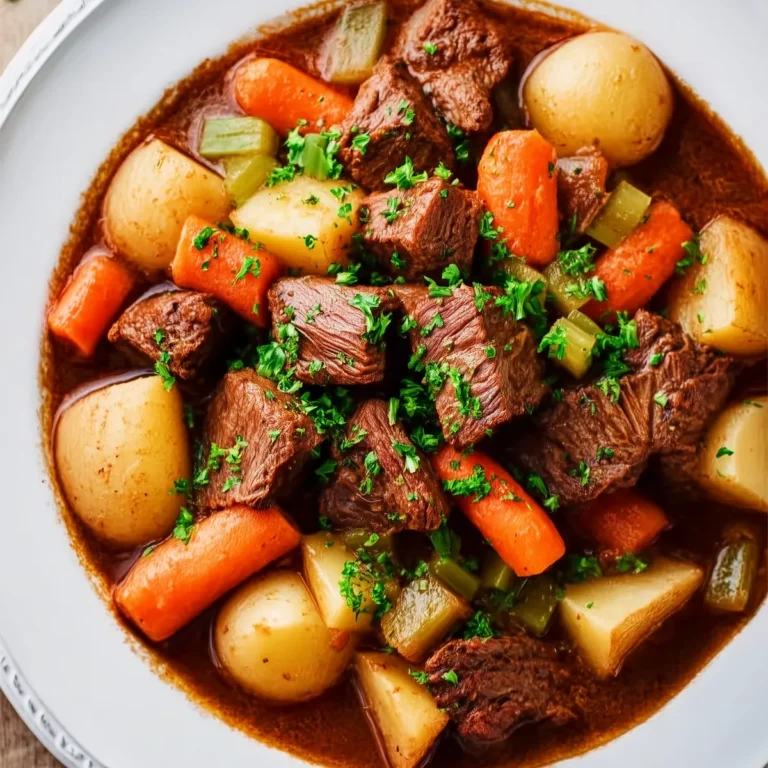
There’s something almost spellbinding about a bowl of authentic Irish stew bubbling away on the stove while rain taps against the windows. I can’t count the times I’ve craved it on a chilly night when I wanted something more than just “warming”—I wanted a meal that sinks down to your bones and wraps you up like a wool blanket. Authentic Irish stew isn’t fussy or flashy, but it knows how to make an entrance the moment you lift the lid: earthy aromatics curling up in a gentle cloud, rich beef turning fork-tender, and those golden hunks of potato just holding it all together. My family always goes quiet with the first spoonful—nobody wants to interrupt those soft, deep flavors that say “you’re home now.”

When Authentic Irish Stew Becomes More Than Just Dinner
You know a meal is good when the whole mood of the house changes as it cooks. That’s the magic of authentic Irish stew—it’s less a recipe and more an event. The heart of this dish is its unfussy generosity: you’ve got big chunks of beef slowly surrendering all their juices, root vegetables just softening at the edges, and a broth that deepens every hour it simmers. I can still remember my grandmother quietly layering potatoes and carrots into her old enamel pot, always insisting that the stew needed time and simple, robust ingredients more than anything clever.
What makes authentic Irish stew really stand out? It’s never quite the same twice—sometimes I add a bit of barley for extra body, sometimes a splash of stout if I’m feeling indulgent. But the feel remains: it’s honest fare, the sort of dinner made for shared tables, laughter, and seconds (and sometimes thirds). Even if you’ve never cooked it before, there’s nothing intimidating about it—just patience, a good sturdy pot, and a bit of care.
The Ingredients That Set This Stew Apart
- Beef chuck roast – the star ingredient, chosen for its marbling and the way it melts into impossibly tender, craveable bites as it simmers.
- Carrots – bring from-the-earth sweetness, adding color and softness without ever turning mushy.
- Potatoes – classic stewing spuds give the stew heft and soak up all those savory juices.
- Onion – builds aromatic depth right from the start, softening down to enrich every spoonful.
- Garlic – lets loose a mellow, rounded backbone that balances the heavier flavors.
- Beef broth – creates a base that carries every flavor; go for a rich, full-bodied broth if you can.
- Fresh thyme – a sprig or two lifts the earthiness, giving the stew a faintly floral, herbal edge.
- Bay leaves – one of those small but mighty additions that quietly layers in complexity and aroma.
- Pearl barley – totally optional, but it thickens the broth and lends a bit of nutty chewiness.
- Salt and pepper – the classic final touch, waking up all the other flavors at the very end.
- Oil for searing – helps the beef caramelize, locking in its flavor before the slow simmer begins.
See the recipe card below for the full list of ingredients and measurements.
Building Depth, Flavor, and Coziness Step by Step
Stewing is really just a matter of patience and a few honest techniques—no special tools, just time and trust in the process.
- Start by chopping your onions, carrots, and potatoes so they’re chunky, but not unwieldy—enough for a good hearty bite.
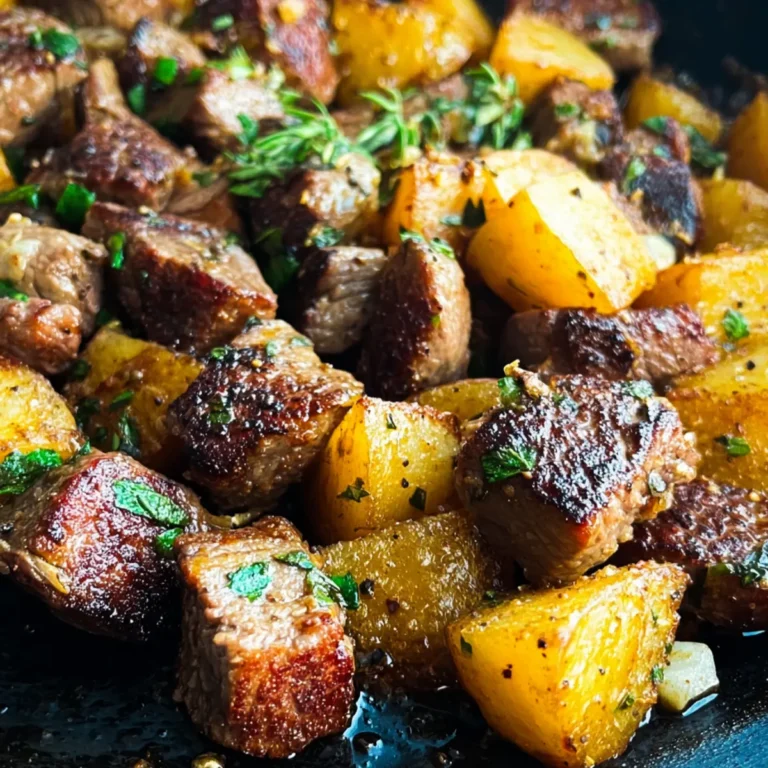
- Time to sear the beef. Get your pot hot, add a splash of oil, and brown the beef in batches. This step changes everything: you want those caramelized edges because they’ll infuse the broth with a deeper, roastier savor.
- Once the beef is done, drop the onions and garlic straight into the same pot. Stir and scrape until the onions turn glassy and the kitchen fills with that unmistakable aroma.
- Fold in the carrots, potatoes, and pearl barley, if you’re using it. Pour in the beef broth—don’t drown the vegetables, but give them enough to swim. Slide in your thyme sprigs and bay leaves. This is when things start to smell like Sunday afternoon.
- Return the seared beef and all its juices to the pot, nestling it into the veg and broth. Lid on, heat low, and then you walk away. The magic happens slowly over the next couple of hours as the flavors meld and deepen.
- Come back when the meat is spoon-tender and the scent is rich enough to pull everyone from their corners of the house. Taste for salt and pepper, stirring gently. When you’re happy, it’s ready to serve.
Aroma and Texture That Transform a Meal
There’s a point, about an hour into cooking, when the whole kitchen feels different. If you lean in, you’ll catch the almost-sweet smell of onions melting down, the herbaceous lift from thyme, and a back note of beef that suggests home even before you taste it. I always try a bit of the broth before serving—looking for that happy medium between hearty and clear, with a glossy sheen and all the vegetables holding their shape.
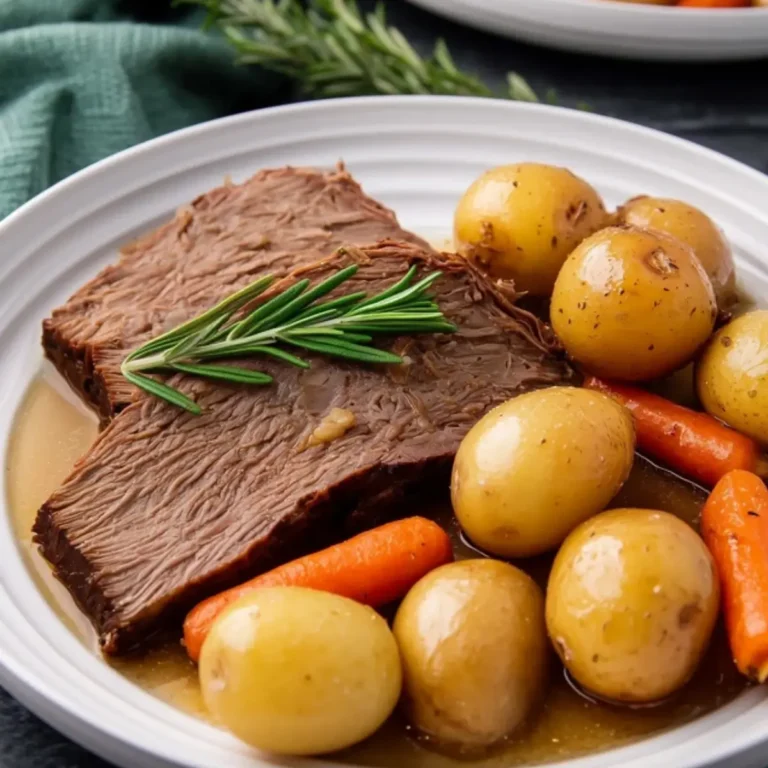
The beauty of authentic Irish stew is its texture: the beef yields to the fork with zero resistance, and the carrots and potatoes are just soft enough to break but never limp. Occasionally, a slow-cooked piece of barley pops up—chewy and warm, grounding the whole experience. It’s a meal that eats like a memory: comforting, substantial, never bland.
Small Touches That Make This Authentic Irish Stew Unforgettable
The stew itself is forgiving, but a little attention to detail turns it from “good” to “you’ll want seconds.” Here are some lessons learned from too many bowls to count:
- Don’t rush the sear. Let the beef catch some honest color in the pot—it’s the difference between a flat stew and one that sings with flavor.
- If you’re feeling bold, a small pour of stout beer takes the depth to another level, making everything a bit darker and more mysterious.
- Traditionalists might prefer lamb over beef, or throw in parsnips or other root veggies for a seasonal twist. Trust your taste (or your pantry).
- Pearl barley is a love-it-or-ignore-it addition. It thickens and gives a little pop, but it’s not essential if smooth broths are more your thing.
- Leftovers might be even better the next day. Cool and store in the fridge for a couple of nights—just reheat gently so the meat doesn’t break up. If you can resist finishing it, freeze some for a rainy night when you need instant comfort.
- Never forget the salt and pepper at the end; flavors will have mellowed as they cooked and need that final wake-up.
- If your stew’s too thick, just a splash more broth or water will do; if too thin, let it burble uncovered for a bit before serving.
Serving Traditions and Fresh Ideas for Enjoying Stew
Stew night is made for passing bowls around and letting everyone help themselves. The classic way, of course, is just a warm, deep bowl with a thick wedge of brown bread (smear it with salted butter and dunk it—no knife required). But don’t stop there.
Pile the stew over creamy mashed potatoes for a double-dose of comfort, or make it the centerpiece alongside simply cooked greens. For gatherings, serve it with tart pickles or a crisp apple slaw to brighten the richness. When the leftovers make their appearance, I sometimes tuck them into a crusty roll or even bake them in a pie shell for a second-day feast.
Whether it’s a holiday, a dull weekday, or just a night when you want slow food done right, this authentic Irish stew adapts to fit the mood.
FAQs about Authentic Irish Stew
Can I use lamb instead of beef in authentic Irish stew?
Absolutely—lamb is actually traditional in many Irish households. The flavor will be slightly sweeter and richer, but the cooking method and timing stay the same. Just choose a cut that does well with long, slow simmering.
How long can I keep authentic Irish stew in the fridge?
Stored in an airtight container, authentic Irish stew will keep well in the fridge for up to three days. The flavors often deepen overnight, so don’t hesitate to make it ahead or enjoy leftovers at their tastiest.
Does authentic Irish stew freeze well?
Yes, this stew freezes beautifully. Let it cool completely, remove the bay leaves and thyme, then ladle into freezer-safe containers. Thaw in the fridge overnight and reheat gently on the stove for best results.
What are the best sides to serve with this stew?
Thick slices of brown soda bread or buttered crusty rolls are classic choices. For a fresh touch, try a simple green salad or tangy pickles to cut through the richness. Mashed potatoes underneath are also especially comforting on a wintry night.
A few hours over gentle heat, a handful of familiar ingredients, and suddenly you’re holding a potful of pure comfort—authentic Irish stew that tastes like tradition, coziness, and a little bit of magic. Whether you spoon it up with friends around a crackling fire or save a quiet bowl for yourself, every bite has that slow-cooked, deeply satisfying warmth that makes you wish stew season lasted all year. Give it a try next time you want a meal that truly feels like home.
More Delicious Recipes
- Beef Stew and Dumplings: This hearty beef stew is perfect for cozy nights, combining tender beef with fluffy dumplings for ultimate comfort.
- Crockpot Slow Cooker Rump Roast: Another comforting dish, this slow-cooked roast brings rich flavors and tender meat, just like Irish stew.
- White Chicken Lasagna Soup: This soup offers a creamy, hearty meal option, perfect for chilly evenings and filled with comforting flavors.

Authentic Irish Stew

Equipment
- Large pot
Ingredients
Ingredients
- 2 lbs beef chuck roast, cut into chunks
- 3 carrots, peeled and chopped into bite-sized pieces
- 4 medium potatoes, peeled and chopped into bite-sized pieces
- 1 large onion, chopped
- 3 cloves garlic, minced
- 4 cups beef broth
- 2 sprigs fresh thyme
- ½ cup pearl barley (optional)
- Salt and pepper, to taste
- 2 tbsp oil (for searing the beef)
Instructions
Instructions
- Prep the vegetables: Chop the onions, carrots, and potatoes into bite-sized pieces.
- Sear the beef: Heat 2 tbsp oil in a large pot over medium-high heat. Add the beef chunks and sear them until browned on all sides. Remove the beef from the pot and set it aside.
- Sauté the aromatics: In the same pot, add onions and garlic. Sauté until the onions become translucent.
- Add the vegetables and broth: Add the carrots, potatoes, and optional pearl barley to the pot. Pour in the beef broth to cover the ingredients. Stir in the fresh thyme sprigs and bay leaves.
- Simmer the stew: Return the browned beef to the pot. Cover the pot, reduce the heat to low, and let it simmer for 1.5 to 2 hours until the meat is fork-tender.
- Season: Add salt and pepper to taste.