Sometimes, the simplest dishes steal the whole evening. Baked asparagus is one of those magical side dishes that looks elegant without ever trying too hard. I can’t count how many times I’ve tossed a bunch of fresh asparagus onto a baking sheet, slid it into the oven, and thirty minutes later everyone’s diving in as if it were the main event. It’s crisp around the edges, tender through the middle, and so brightly green you almost want to frame it—if you weren’t too busy eating it straight from the tray.
There’s something about the transformation in the oven: that grassiness softens, picking up a sweetness as the tips blister. The process feels almost like a kitchen sleight-of-hand—you barely do anything, but when it’s time to eat, each spear is perfectly seasoned, faintly garlicky, with just the right snap. Even my pickiest “green vegetable skeptics” have slowly warmed up, especially when I serve it hot and let them add their favorite finishing touches.
When Baked Asparagus Steals the Show
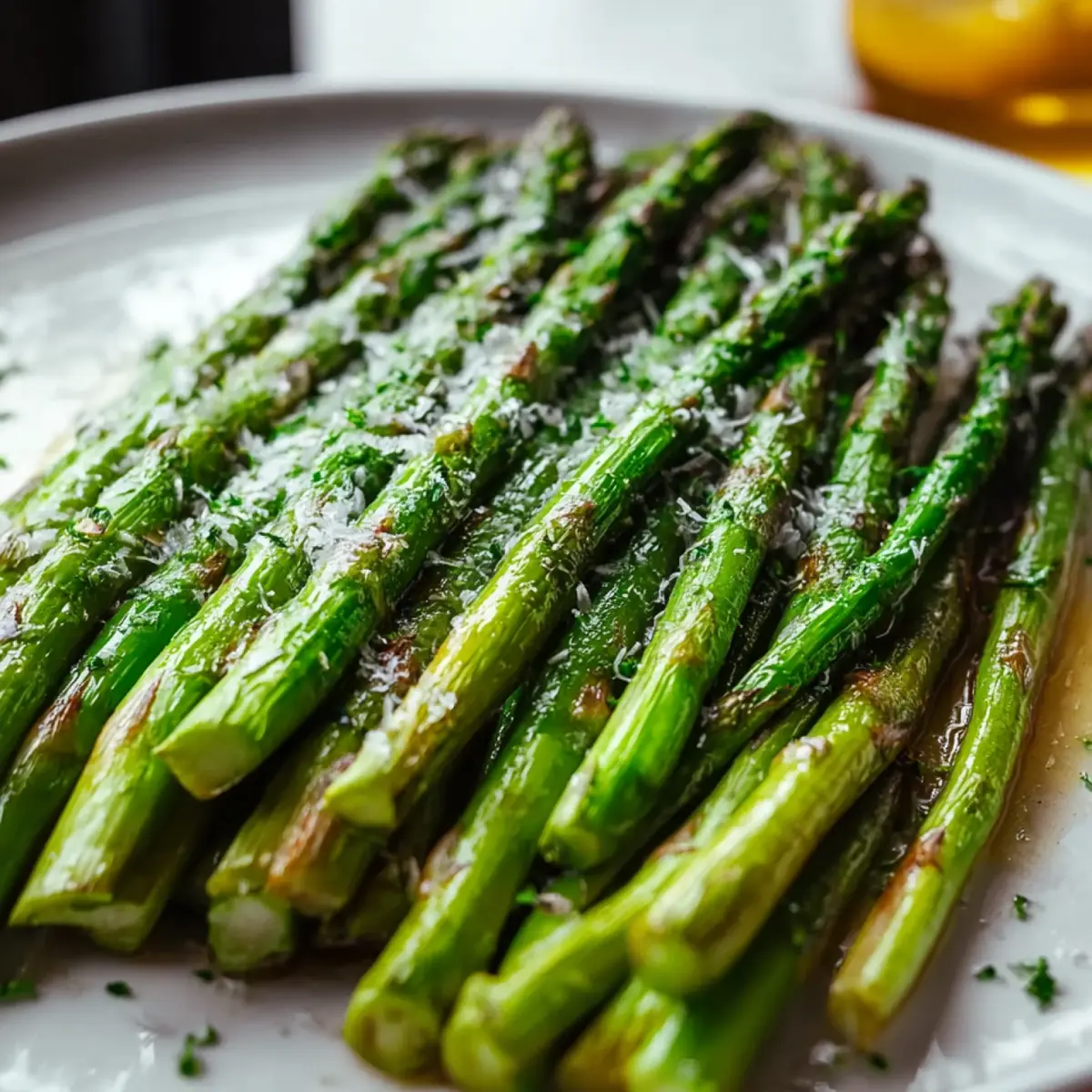
There’s nothing like the moment a platter of baked asparagus lands on the dinner table. Maybe you’re not even hungry anymore after putting the rest of the meal together, but suddenly, the urge to pinch the crispiest spear right off the tray is impossible to resist. That’s the secret thrill of this dish: what looks like a humble green side becomes the first thing to disappear, even when surrounded by flashier mains and carb-heavy comfort foods.
I find myself making this recipe again and again, not only because it’s ridiculously speedy but also because there’s a kind of quiet drama to it—smoky edges, a glisten of olive oil, flecks of sea salt that catch the light. It works for every mood: lazy weeknights, fancy lunches, or those “let’s pretend it’s spring already” winter evenings when you just need something bright on your plate. Don’t be surprised if you start eyeing up those plain bundles of asparagus at the store with fresh ambition after you taste these.
The Ingredients That Give Baked Asparagus Its Edge
- Asparagus – The real MVP here; choose spears that are firm and vibrantly green. Thicker stalks will have more bite, thinner ones roast faster and crisp up beautifully.
- olive oil – This coats the asparagus, helps it roast to golden perfection, and adds a subtle grassy richness you can’t fake. Good-quality oil really shines.
- Salt – Draws out that earthy-sweet flavor and ensures every piece pops.
- Black pepper – A couple of cracks for a peppery warmth that lingers.
- Garlic powder – A gentle whisper of allium that perfumes and amps the flavor without overpowering.
- Lemon zest (optional) – For when you need a citrusy lift; it brightens every mouthful.
- Red pepper flakes (optional) – If you crave a little heat, just a pinch is plenty.
- Freshly grated Parmesan cheese (optional) – Salty, nutty, and melty on contact with the hot spears.
- Balsamic glaze (optional) – Sweetly acidic, it adds a glossy finish and big flavor for minimal effort.
See the recipe card below for the full list of ingredients and measurements.
Bringing It All Together: The Asparagus Oven Ritual
Roasting asparagus is pure ritual at my place, a familiar dance I could almost do with my eyes closed—yet I still pay close attention, because little details make all the difference.
- Heat your oven to a piping hot 200°C and line a trusty baking tray with parchment. Fast, no-stick cleanup and just the right amount of insulation so nothing burns.
- Give the asparagus a good wash under cold water and snap or trim off the woody, tough ends. You’ll feel just where they naturally want to break—nature’s little hint.
- Here’s the non-negotiable: thoroughly pat those spears dry. Any lingering water will sabotage the crisp. Towel dry and let them sit out for a moment if needed.
- Scatter the asparagus out on your baking sheet. Drizzle generously with olive oil, sprinkle over salt, pepper, and garlic powder, then get in there with your hands and toss until every spear glistens.
- Lay the asparagus in a single layer—no stacking. Overcrowding is the enemy of browning.
- Slide into the oven. Around the 8-minute mark, start poking and peeking. Depending on thickness, they’ll be tender after 8–12 minutes. You want a little give when pressed, but still a snap at the tip. The best ones bear a faint golden edge.
- Serve right away, the moment they buzz with heat and aroma. Add finishing touches (lemon zest, cheese, a swirl of balsamic) and don’t be shy about grabbing the first spear.
Texture and a Burst of Spring in Every Bite
When you bite into a roasted spear fresh from the oven, it’s everything you want in a vegetable: crisp-tender, juicy, and almost sweet, with the tips darkened just enough to turn addictively nutty. The outside picks up a faint crunch thanks to a good olive oil coating, while the inside stays delicately moist. You’ll smell toasty, green perfume as you pull the pan from the oven—a signal it’s time to eat right now.
What I crave most is that very first taste: warm, savory, and peppery, followed by the surprise snap in the middle. If you scatter a handful of Parmesan or a dusting of lemon zest over top, you get another layer—either salty richness or a sudden citrus zing that makes the asparagus taste like pure spring. The versatility here is wild; from flavor alone, you could convince someone it took a dozen more ingredients or twice the effort.
Tiny Tweaks, Big Results: Asparagus Edition
If you want perfect baked asparagus every time, a few small habits make all the difference. First, never skip drying after washing—wet spears turn limp and steam instead of roast. If your asparagus is thick, go for a little longer in the oven; with thinner stalks, check early so they stay snappy.
Craving something new? Toss in a splash of lemon juice before serving for a bright jolt, or scatter red pepper flakes before roasting for gentle heat. If you’re in the mood to impress, a drizzle of balsamic glaze and fresh Parmesan takes it from everyday to dinner-party status.
Leftovers rarely survive, but they do work chilled and chopped into salads or folded into omelettes. To reheat, a few minutes in a hot oven or a quick toss in a skillet does the trick, keeping most of their texture. While freezing isn’t ideal (they’ll go a little mushy), fresh is always best if you can swing it. And don’t forget—you can finish them with almost anything from your pantry: toasted breadcrumbs, dukkah, herbed yogurt, or even a runny egg.
Putting Baked Asparagus on Center Stage
Baked asparagus may seem like a sidekick, but serve it well and everyone will be scooping up seconds. Try piling the spears on a big platter, scattered with lemon zest and rough shavings of cheese, or go minimal with just sea salt and black pepper. It’s brilliant alongside roast chicken, salmon, or grilled steak, but also brings life to grain bowls and pasta.
For a light spring lunch, pair buttery baked asparagus with poached eggs and good sourdough. Or tuck cold leftovers into a sandwich—with goat cheese and a swipe of pesto, they’re next-level. If you’re planning a celebration meal, double the batch and serve family-style so there’s never a scramble for the last spear. And for a casual weeknight, honestly, just eat them hot off the pan with your fingers. Sometimes the simplest foods deserve to be eaten a little unruly.
FAQs about Baked Asparagus
Can I make baked asparagus ahead of time?
You can roast asparagus a few hours in advance and let it cool, then reheat it in a hot oven just before serving. For the best texture, try to serve it fresh—the spears are crispiest right out of the oven.
What’s the best way to store leftover baked asparagus?
Cool leftovers completely before transferring them to an airtight container. Store in the fridge for up to two days. The asparagus will soften a bit but still tastes great tossed into salads or pasta dishes.
Can I use frozen asparagus for baked asparagus?
Frozen asparagus can work in a pinch, but you’ll lose a lot of that signature crispness. If you do use frozen, thaw and pat dry thoroughly first, and expect the texture to be softer after roasting.
How do I keep baked asparagus from getting soggy?
The key is making sure the spears are totally dry before roasting, and not crowding them on the pan. Use high heat and watch closely—overbaking will lead to limp asparagus, so check for tenderness at the lower end of the cook time.
There’s something quietly joyful about sharing a platter of baked asparagus—you’re serving up a little burst of spring, bright and crisp, however chilly it might be outside. Every batch reminds me that a handful of good ingredients, a generous slick of olive oil, and a hot oven is all it takes to make an ordinary meal feel special. When you crave freshness or need a quick side to impress, this baked asparagus is always up to the task. Next time you spot fresh spears at the market, bring them home and let your oven do the magic—then watch how fast they disappear.
More Delicious Recipes
- Cheesy Ranch Potatoes and Smoked Sausage: This dish features roasted potatoes which complement the flavors of baked asparagus beautifully.
- Bang Bang Chicken Rice Bowl: Perfect as a main course, this bowl is vibrant and pairs well with the fresh crunch of asparagus.
- Juicy Roast Boneless Lamb Leg: A savory roasted lamb that would make an excellent pairing with your baked asparagus for a special dinner.

Fast & Easy Baked Asparagus Recipe: Crisp Perfection!

Equipment
- baking sheet
- Parchment paper
Ingredients
Ingredients
- 1 pound asparagus
- 1-2 tablespoons olive oil
- ½ teaspoon salt
- ¼ teaspoon black pepper
- ¼ teaspoon garlic powder
- Optional: lemon zest, red pepper flakes, freshly grated Parmesan cheese, balsamic glaze
Instructions
Instructions
- Preheat your oven to 400°F (200°C). Line a large baking sheet with parchment paper.
- Wash the asparagus thoroughly under cold running water and trim the woody ends.
- Pat the asparagus spears completely dry with paper towels.
- Place the dried asparagus on the prepared baking sheet. Drizzle with olive oil and sprinkle with salt, black pepper, and garlic powder. Toss gently to coat.
- Arrange the asparagus in a single layer on the baking sheet, ensuring they are not overlapping.
- Bake for 8 to 12 minutes, checking around the 8-minute mark for desired tenderness.
- Serve immediately for the best flavor and texture.