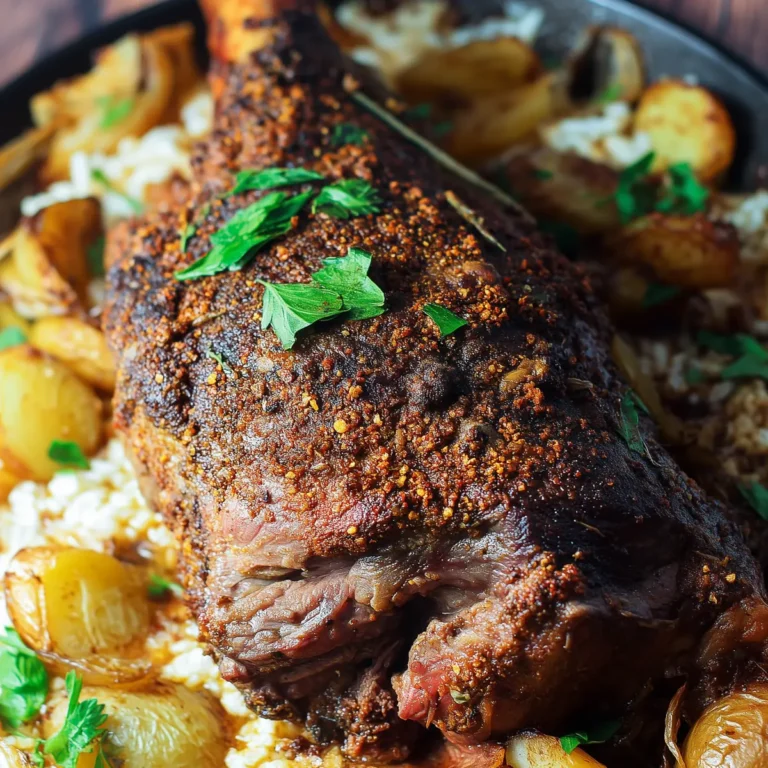
If your Easter feast deserves a showstopper, this Easter Slow-Roasted Beef Brisket is the kind of centerpiece that draws everyone to the table. There’s something about the way the brisket fills your kitchen with savory, herby aromas that makes the holiday feel extra-special. The rich, meltingly tender slices just beg to be drizzled with their own pan juices—or loaded onto a plate next to buttery potatoes.
You don’t need any fancy equipment, either. Just a Dutch oven, some pantry spices, and a good hunk of brisket. Whether you’re serving close family or a hungry crowd, this recipe brings people together with its old-school comfort and a little bit of celebration.
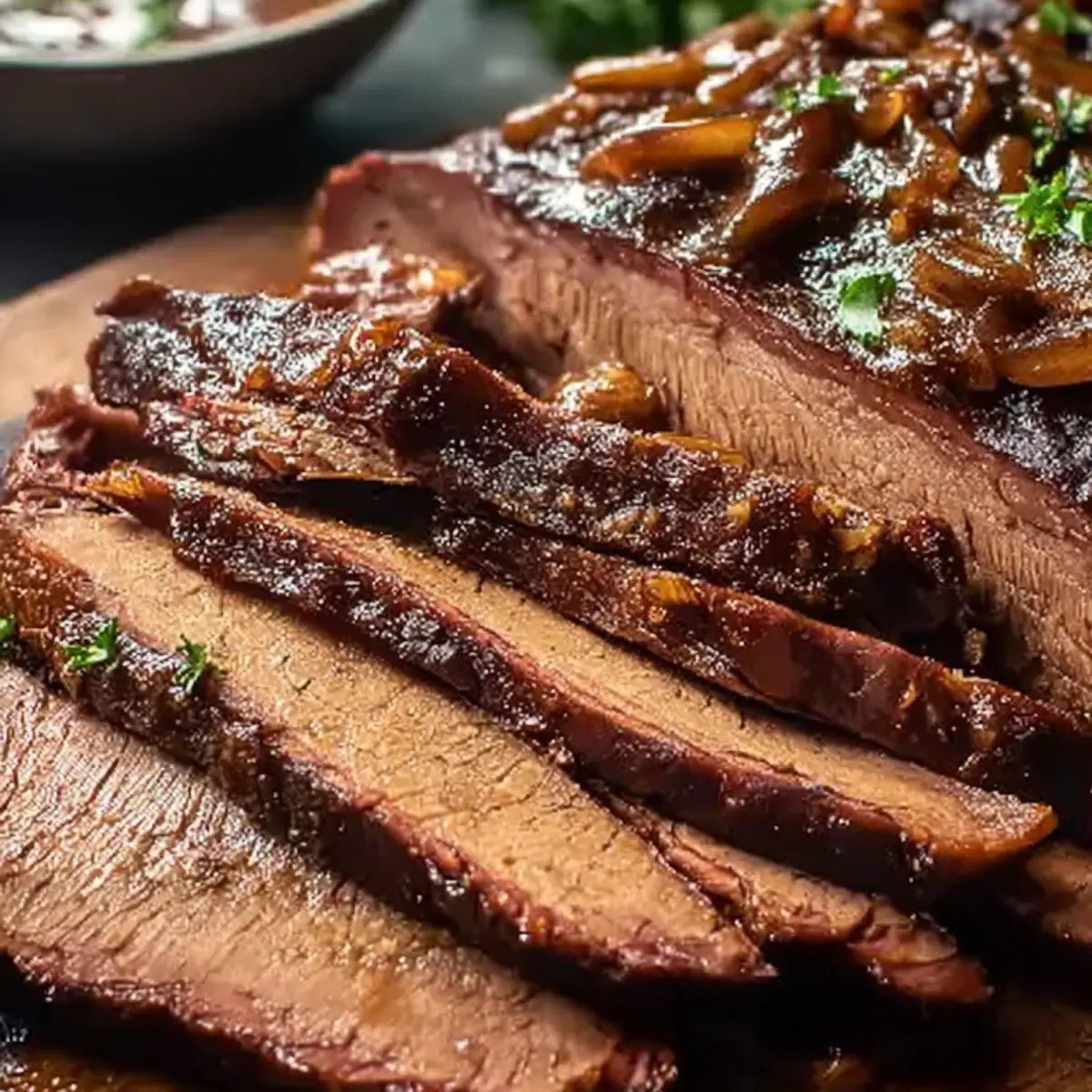
Why This Easter Slow-Roasted Beef Brisket Is Holiday-Worthy
When you want a centerpiece with a bit of drama but none of the fuss, Easter Slow-Roasted Beef Brisket ticks every box. It’s the kind of meal that lingers in your memory—a dish you’ll associate with family laughter, full plates, and the unmistakable feeling of “home.”
This brisket is all about rich flavor and tenderness. The low-and-slow roast creates slices you could almost pull apart with a spoon, but with enough structure that every bite is satisfyingly meaty. The spice rub brings in smoky paprika, aromatic herbs, and a bold peppery kick. Every forkful is layered with savory goodness.
It’s also wonderfully forgiving, so you can pop it in the oven and forget about it while you prep the rest of your Easter spread. This recipe loves extra guests—leftovers, if you’re lucky enough to have them, taste even better warmed up the next day. For anyone hosting a holiday where you want both ease and big flavor, this is your brisket.
Breaking Down the Easter Slow-Roasted Beef Brisket Ingredients
Let’s dig into what you’ll need for truly memorable brisket. No secret magic—just a good balance of spices, aromatics, and a beautiful piece of beef.
- Beef Brisket – The heart of this dish. Go for a well-marbled cut (point for richness, flat for neat slicing); it’ll reward you with tenderness and deep flavor.
- olive oil – For searing and helping the spices cling, this gives a fruity undertone and helps the crust brown beautifully.
- Kosher salt – Essential for drawing out moisture and building that savory outer bark.
- Black pepper – The backbone of the spice rub, bringing big, freshly-cracked flavor to the party.
- Garlic powder – Lends depth and a true roast-y aroma that infuses every bite.
- Onion powder – Gives a mild sweetness and rounds out the flavor, melding with the beef and herbs.
- Smoked paprika – For that hint of smokiness and an appealing, reddish hue—think classic BBQ, but with a gentler hand.
- Dried thyme – Adds a spring-fresh, earthy layer that complements the meat perfectly.
- Dried rosemary – Crushed and aromatic, it brings a resinous, pine-like lift to the long, slow cook.
- Beef broth (optional) – Keeps everything moist in the oven and becomes a luscious gravy base at the finish.
- Vegetables (optional) – Onion, carrots, and celery turn meltingly soft beneath the brisket and flavor the roasted juices in a way nothing else quite can.
See the recipe card below for the full list of ingredients and measurements.
Step-by-Step: How to Cook Easter Slow-Roasted Beef Brisket
Let’s get you from kitchen to table the easy (and tasty) way. Here’s the run-through for the brisket that always brings applause:
- Get your brisket ready for its close-up. Pry off the packaging and dry it thoroughly with paper towels. If there’s a stubborn fat cap, trim it down just a bit—leave a layer so it nourishes the meat as it cooks, but don’t be afraid to customize based on your preferences.
- Mix up that spice rub. Grab a bowl and throw together kosher salt, black pepper, garlic powder, onion powder, smoked paprika, thyme, and rosemary. You want to inhale deeply here—the blend already smells inviting.
- Season generously. Rub every inch and corner of the brisket with the spice mix, massaging it in with your hands. Don’t forget the edges—this is what creates that flavorful, textured exterior you’ll crave later.
- Sear for extra flavor (optional but oh-so-worth it). Heat olive oil in a Dutch oven over medium-high until shimmering, then add the brisket. Listen for the sizzle and turn the meat until all sides develop a deep golden brown crust. It takes a few minutes per side, and it’s worth every second.
- Sauté your aromatics (if using veggies). Drop chopped onion, carrots, and celery into the pan and let them soften, scooping up any browned bits left from the brisket. The kitchen will start to smell like you’ve been cooking all day.
- Arrange and add broth. If you used veggies, nestle the brisket on top. Pour beef broth gently around the sides so you don’t rinse off the precious spice coat. These little puddles of broth will protect the meat and create a rich, savory base for serving.
- Slow roast to tenderness. Cover tightly with the Dutch oven lid. Slide it into a low oven and let time (and aromatics) do their magic. Check with a fork after a few hours—the brisket should yield at a light touch, showing off its new, buttery personality.
- Rest—resist the urge. Leave the brisket covered in the pot when it comes out of the oven so the juices can gather themselves. This is what ensures you slice into succulent, not dry, meat at serving time.
- Slice across the grain (not with it). Move the rested brisket to a board, find the way the fibers run, and use a sharp knife to cut perpendicular—not parallel—to those lines. This is where a beautiful slab of brisket turns fork-tender.
- Serve, spoon, savor. Lay out the brisket slices, spoon on some pan juices, and enjoy. Scatter roasted vegetables around, or use them to flavor a quick homemade gravy if you’re feeling extra celebratory.
Little Tips to Make Your Easter Brisket Unforgettable
A few small adjustments can take this brisket from good to holiday-legend status. First, make sure to get the meat as dry as possible before seasoning—this step really gives you that coveted crust during searing.
Whatever you do, don’t skip the rest after roasting! Tenting the brisket and letting it relax lets every bit of juice soak back into the meat. If it feels a bit dry (ovens can be unpredictable), drizzle over extra pan juices before serving, or add a touch more broth as it rests.
If your oven runs hot, check the brisket a little early—you want it fork-tender, not falling to shreds. Planning to feed a crowd? Brisket scales up beautifully; just use a pan that keeps the meat snug in its cooking liquid. Leftovers keep well for several days in the fridge—just reheat gently in a covered dish with a splash of broth to keep things lush.
Serving Ideas and Creative Variations for Easter Brisket
The best thing about this brisket, besides its melt-in-your-mouth texture, is how easily it pairs with all your Easter favorites. For a classic spread, plate with creamy mashed potatoes, buttered green beans, or honey-glazed carrots.
If you want to go in a slightly lighter direction, a crisp spring salad or roasted asparagus would be just right. Leftovers? Tuck brisket slices into fresh rolls with a swipe of horseradish sauce, or chop and toss them into a hearty hash with leftover veggies and eggs.
You can play up the spice by adding a pinch of chili powder or cayenne to the rub, or swap rosemary for sage if you love woodsy flavors. For a smokier touch, try adding a little liquid smoke to the broth, or roast up some garlic with the other veggies underneath the brisket.
Brisket also freezes well—just slice before freezing and pack with some of its juices. It’ll reheat beautifully for quick dinners long after the holiday.
FAQs about Easter Slow-Roasted Beef Brisket
Can I make Easter Slow-Roasted Beef Brisket ahead of time?
Absolutely! You can cook the brisket a day or two in advance, let it cool, and then slice it. Arrange the slices in a baking dish with some of the braising liquid, cover, and gently rewarm in the oven. The flavors have even more time to develop, so this make-ahead trick might just give you an even tastier brisket.
What’s the best way to store leftover brisket?
Leftover brisket keeps best when sliced and stored in an airtight container, submerged in a bit of its pan juice or broth to retain moisture. Refrigerate promptly, and use within three or four days. For longer storage, brisket can also be frozen—just make sure to include some liquid so it doesn’t dry out when reheated.
Can I use a different cut of beef for slow-roasting if I can’t find brisket?
While brisket is classic for this Easter recipe, you can substitute with other tough, marbled cuts like chuck roast or even short ribs. The key is low-and-slow roasting, which breaks down the collagen and gives you that tender, juicy texture. You might need to adjust the cooking time slightly depending on the thickness and cut.
What’s the easiest way to reheat Easter Slow-Roasted Beef Brisket without drying it out?
The gentlest method is placing the sliced brisket in a covered baking dish with plenty of its cooking liquid, then warming it slowly in a low oven. Don’t microwave unless you have to—oven reheating helps keep the meat moist and the flavor intact. Just check occasionally and spoon more juices over the top if you notice any dry spots.
After spending a lazy afternoon letting the oven work its magic, few things feel as celebratory as bringing a platter of Easter Slow-Roasted Beef Brisket to the table. With its crackling crust, fragrant herbs, and yielding, juicy slices, it’s a main course that hits every Easter craving—hearty yet elegant, and just a little bit special. Serve yours with all your favorite sides, let everyone help themselves, and watch as conversation and good cheer linger long after the last slice is gone.
More Delicious Recipes
- Juicy Roast Boneless Lamb Leg: This succulent lamb dish is perfect for festive occasions like Easter, offering a delicious centerpiece alternative.
- Herb Roasted Lamb Shoulder with Baby Potatoes: Packed with herbs and spices, this flavor-packed lamb dish complements the hearty brisket perfectly for a spring feast.
- Chicken Pot Pie: A comforting classic that’s ideal for family gatherings, this dish brings together flaky crust and savory filling, similar to the cozy vibe of your brisket recipe.

Easter Slow-Roasted Beef Brisket

Equipment
- Dutch oven
Ingredients
Ingredients
- 3-4 lbs Beef Brisket (Point or Flat Cut) Choose a well-marbled brisket for maximum flavor and tenderness. Point cut has more fat and is richer, while flat cut is leaner and easier to slice.
- 2 tablespoons Olive Oil (Extra Virgin) Used for searing (optional but highly recommended) and to help the spice rub adhere to the brisket.
- 2 tablespoons Kosher Salt Essential for seasoning and drawing out moisture from the brisket.
- 2 tablespoons Black Pepper (freshly cracked) Provides a bold, robust flavor that complements the beef.
- 2 tablespoons Garlic Powder Adds a savory, aromatic depth to the spice rub.
- 2 tablespoons Onion Powder Enhances the savory profile and adds a subtle sweetness.
- 2 tablespoons Smoked Paprika Lends a smoky, slightly sweet, and vibrant red color to the brisket.
- 1 tablespoon Dried Thyme Adds an earthy, herbaceous note that pairs beautifully with beef.
- 1 tablespoon Dried Rosemary (crushed) Provides a piney, aromatic, and slightly peppery flavor.
- 1 cup Beef Broth (optional) Used for braising during the last part of the slow roasting.
- 1 large Onion (roughly chopped, optional) Adds flavor to the braising liquid.
- 2 carrots (roughly chopped, optional) Carrots Adds flavor to the braising liquid.
- 2 celery stalks (roughly chopped, optional) Celery Adds flavor to the braising liquid.
Instructions
Instructions
- Prepare the Brisket: Remove the brisket from its packaging and pat it thoroughly dry with paper towels. Trim excess fat if desired, leaving at least ¼ inch for moisture and flavor.
- Make the Spice Rub: In a large bowl, combine the kosher salt, black pepper, garlic powder, onion powder, smoked paprika, dried thyme, and dried rosemary. Mix well.
- Season the Brisket Generously: Rub the spice mixture all over the brisket, ensuring every surface is thoroughly coated.
- Sear the Brisket (Optional but Recommended): Heat olive oil in a Dutch oven over medium-high heat until shimmering. Sear the brisket on all sides until deeply browned, about 3-5 minutes per side. Remove and set aside.
- Prepare the Vegetables (Optional): Add the roughly chopped onion, carrots, and celery to the Dutch oven. Sauté over medium heat for 5-7 minutes until slightly softened.
- Place Brisket Back in Pot and Add Broth (Optional): Nestle the seared brisket on top of the vegetables and pour beef broth around it.
- Slow Roast in the Oven: Cover the Dutch oven tightly and place it in a preheated oven at 300°F (150°C). Slow roast for 3-4 hours until fork-tender.
- Rest the Brisket: Once fork-tender, let the brisket rest in the covered Dutch oven for 30 minutes to an hour.
- Slice and Serve: Carefully remove the brisket, slice against the grain for maximum tenderness, and serve.