Sometimes the simplest meals become the ones that linger in your memory. Classic Easter Dinner Casserole is absolutely one of those—more than just food, it’s the aroma that greets you when you walk in from the chilly air, the golden cheese bubbling at the edge of a baking dish, the warm anticipation that builds during those last minutes. It’s got that uncanny way of bringing people together at the table—messy-haired cousins, grandparents with a second helping, or even a few neighbors pulled in for an impromptu evening. It’s cozy, familiar, but always a little bit special, with every scoop bringing up a tangle of flavors: smoky ham, velvety custard, sharp cheddar, the comforting heft of bread cubes that hold it all together.
This is the kind of dish I find myself going back to—even when Easter isn’t on the calendar. I’ve tweaked it after holidays, just to empty the fridge or make mornings easier, but on the day itself, that first bite somehow tastes like celebration. If you’re searching for a centerpiece with both tradition and ease, Classic Easter Dinner Casserole will never leave you disappointed.

When Classic Easter Dinner Casserole Steals the Show
It’s usually right about the time everyone is milling around, not sure if they’re absolutely starving or just there for the company, that this casserole takes command of the whole day. There’s this aroma—part smoky ham, part bubbling cheese—filling every corner of the house. Kids abandon their egg hunts and adults pause their conversations; what was just a humble casserole becomes the reason everyone crowds the kitchen.
The thing about Classic Easter Dinner Casserole is it doesn’t mind attention. It looks every bit as welcoming on a linen-draped buffet as it does on a crowded kitchen counter, potluck-style, with the serving spoon stuck right in. When the minutes are precious but you’re hoping for something genuinely celebratory, this casserole delivers: hearty, unfussy, and deeply satisfying. It’s the kind of food that lets stories unspool between bites and traditions take root, whether it’s your first time making it or your hundredth.
The Ingredients That Build Big Comfort
Great casseroles start with choices that feel homey but thoughtful. Here’s what sets this version apart:
- Ham – brings an irresistible smokiness; leftover Easter ham is a favorite, but smoked from the market works just as well if that’s what you’ve got on hand.
- eggs – the backbone of your casserole, giving you that rich, fluffy texture and holding everything together in golden bites.
- Milk – a dash of whole milk or even cream makes all the difference, lending creaminess and ensuring the finished casserole is perfectly set without being dry.
- Bread cubes – day-old bread is best; it soaks in the custard but still holds its shape, giving you those pillowy layers that make a casserole special.
- Cheddar cheese – sharp, tangy, and just a bit salty; it wakes up the savory ham and marries beautifully with the eggs.
- Mozzarella cheese – for that gooey melt, a little stretch, and mild, milky flavor that doesn’t overwhelm the other ingredients.
- Dijon mustard – you’ll barely notice it as “mustard,” but it weaves in a subtle tang, setting off all those creamy, cheesy notes and keeping the dish from sliding into blandness.
- Salt – essential for coaxing out the casserole’s full flavor; skip it at your peril.
- Black pepper – just enough for a quiet kick and a bit of warmth in every bite.
See the recipe card below for the full list of ingredients and measurements.
Bringing It All Together: Building the Casserole
Getting this casserole into the oven doesn’t take much fuss—just enough attention that you feel like you’re part of the magic. Here’s what the flow usually looks like in my kitchen:
Start by heating your oven, letting it warm while you dig out that favorite casserole dish, the bigger and older the better. A swipe of soft butter or a spritz of cooking spray along the sides never hurts—nothing’s worse than a stuck edge when everyone’s reaching for seconds.
Scatter the diced ham over the bottom of your dish. It forms the savory anchor for every layer, both visually and on the plate—those pink flecks stand out against the pale, fluffy custard later on. In a big bowl, whisk together the eggs, milk, a dab of Dijon, and plenty of salt and pepper. Beat until everything’s smooth and a little frothy; you want air in the mixture for a lighter bake.
Toss the bread cubes across the ham, tucking a few into empty spots so every forkful pays off. Now, pour that eggy custard over everything, pausing to press down gently so the bread starts soaking up the flavor straight away. No corner left dry. Rain down the shredded cheddar and mozzarella, making sure you cover the edges as generously as the center—this is what gives you that perfect cheese pull!
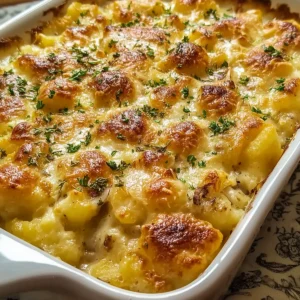
Bake uncovered until the cheese is golden and blistered in places, and the kitchen smells like a promise fulfilled. You’ll know it’s done when a knife comes out clean and the top wobbles ever so slightly. Give it time to rest—this short pause is agony but absolutely worth it, letting the casserole set so it slices beautifully, with no collapse.
Texture, Flavor, and What Makes a Bite Count
What keeps me coming back to this classic, year after year, is how much is happening in every single piece. That top layer—golden brown, just starting to crisp at the very tips—gives way to something softer, almost custardy underneath. You get creamy eggs, the savory tang from the ham, and a bread layer that feels more like a tender soufflé than anything heavy or stodgy. It’s hearty, but never a brick.
The cheese melts into ribbons, sometimes stringing from one piece to the next (my kids call dibs on “the gooey corners”). The mustard fades into the background but leaves behind a little zing. Each forkful is warm and deeply savory, with enough complexity to feel special but not fussy—a pretty ideal balance if you ask me.
Details That Can Make Your Casserole (or Break It)
It’s easy to get Classic Easter Dinner Casserole right, but a few tiny tweaks or mistakes can tip the scales. Here’s what I’ve learned after too many tries to count:
- Use bread that’s at least a day old. Fresh bread just melts down, leaving things a bit soggy instead of structured.
- Don’t skip the mustard—it livens up the entire dish, even for people who claim they don’t like mustard in anything else.
- If your ham leans on the salty side, cut back a little on added salt in the egg mixture. Tasting as you go is always smart.
- Let the casserole rest after baking if you want neat slices—five to ten minutes makes more difference than you’d think.
- If you’re looking for a twist, sneak in a handful of blanched greens like spinach or kale, or swap in a different cheese to suit your mood (Gruyere is gorgeous and a little indulgent).
This casserole can also be prepped the night before. Just assemble everything, cover tightly with foil, and stash it in the fridge overnight. In the morning, slide it into your oven—add about 5–10 minutes to the bake time if it goes in cold.
Serving Classic Easter Dinner Casserole at Your Table
Whether you’re serving brunch for a crowd or just want dinner that feels like more than the everyday, this casserole stretches easily. I like to pair it with something bright and simple on the side—think peppery arugula salad with a sharp vinaigrette or roasted asparagus that nods to springtime. A little fruit salad never hurts on the brunch table, either, cutting through the richness.
If you’re feeling playful, you can set out extra mustard or hot sauce for people who want to lean into the punchy side. Leftovers (if you ever have them) reheat beautifully for breakfast or even tucked into a lunchbox, making your week feel quietly luxurious.
And don’t underestimate what a beautiful moment it is when you bring the whole dish to the table, still warm, with crispy bits of cheese clinging to the edge. That’s the kind of centerpiece that tells everyone: “You’re home, you’re cared for—dig in.”
FAQs about Classic Easter Dinner Casserole
Can I assemble Classic Easter Dinner Casserole the night before?
Absolutely! In fact, assembling the casserole ahead makes mornings easier. Just cover it tightly and refrigerate overnight. Bake straight from the fridge, adding 5–10 extra minutes to the cook time to be sure it’s heated through and perfectly set.
What’s the best bread to use for this casserole?
Day-old bread with a bit of chew (like a country loaf or French bread) works well because it absorbs the custard but keeps its shape. Avoid extra-soft sandwich bread, which gets too mushy, or anything overly crusty and dry, which won’t soak up enough egg mixture.
Can Classic Easter Dinner Casserole be frozen?
You can freeze the casserole after baking. Cool it completely, cut into portions, and wrap tightly. Reheat slices in the oven or microwave; the texture is best right after baking, but it still makes for a comforting leftover when you need a shortcut meal.
How do I reheat leftovers without drying them out?
Reheat individual portions in the microwave, covered with a damp paper towel to prevent drying, or warm the casserole in a moderate oven, covered loosely with foil. A splash of milk over the top before reheating can help restore some moisture.
Whether Easter rolls around once a year or you’re simply craving sturdy comfort, Classic Easter Dinner Casserole adds something memorable to the table. It’s warm, satisfying—a blend of familiar and delightful that brings people close, no matter who’s gathered. Every slice is a reminder that good food doesn’t just feed you; it anchors the best parts of celebration, togetherness, and a quiet kind of joy. Give it a try, and let the conversation linger just a little longer after the last bite is gone.
More Delicious Recipes
- Irish Cream Poke Cake: This festive cake adds a sweet touch to your holiday table, perfect for rounding out a traditional meal like the Easter Dinner Casserole.
- Cheesy Ranch Potatoes and Smoked Sausage: This comforting dish features savory flavors that match nicely with the rich and hearty casserole.
- Breakfast Crunchwrap Delight: A great make-ahead option that brings together similar comforting ingredients, perfect for brunch gatherings.
Easy Classic Easter Dinner Casserole Your Family Will Crave

Equipment
- 9x13-inch baking dish
Ingredients
Ingredients
- 3 cups diced ham (Use leftover Easter ham or smoked ham for authentic, rich flavor.)
- 6 large eggs (The eggs bind the casserole and create a fluffy, tender texture.)
- 1 cup milk (Whole milk or cream adds creaminess and helps set the casserole perfectly.)
- 4 cups bread cubes (Day-old bread soaks up the egg mixture, providing a soft but structured base.)
- 1 cup shredded cheddar cheese (Sharpness balances the savory ham and creamy eggs.)
- 1 cup mozzarella cheese (Melts smoothly for that irresistible gooeyness in every bite.)
- 2 tablespoons Dijon mustard (Adds a subtle tang that enhances the overall flavor.)
- to taste salt (Essential for seasoning to taste and bringing out the casserole’s best.)
- to taste black pepper (Essential for seasoning to taste and bringing out the casserole’s best.)
Instructions
Instructions
- Preheat your oven to 350°F and grease a 9x13-inch baking dish lightly with butter or cooking spray for easy release.
- Layer diced ham evenly in the prepared dish, ensuring a savory, smoky base of pink flavor in every delicious bite.
- Whisk together eggs, milk, Dijon mustard, salt, and pepper in a large bowl until smooth, well combined, and slightly frothy.
- Assemble bread cubes over the ham, then pour the egg mixture evenly, pressing cubes gently to soak up every bit of custard.
- Cover the assembled casserole generously with shredded cheddar and mozzarella cheese, distributing evenly for a perfect gooey cheese pull in each slice.
- Bake uncovered in the preheated oven for 35–40 minutes until the top is golden brown and a knife inserted in the center comes out clean.
- Rest the baked casserole for 5 minutes on a wire rack before slicing, allowing the custard to set fully for perfect texture and easy serving.