There’s something about Thanksgiving that evokes a deep sense of warmth, nostalgia, and togetherness. And at the heart of many family tables sits a timeless dish that stirs both hunger and memory: Grandma’s Thanksgiving stuffing. It’s more than just a side dish—it’s a tradition wrapped in flavor, passed down through generations like an heirloom recipe whispered from one kitchen to the next.
Whether you’re hosting your first Thanksgiving or looking to perfect a classic, this guide will walk you through how to make the perfect stuffing just like Grandma did—flavorful, fragrant, and full of heart. From the essential ingredients and preparation steps to expert tips, nutritional info, and troubleshooting advice, you’ll find everything you need to master this holiday staple.
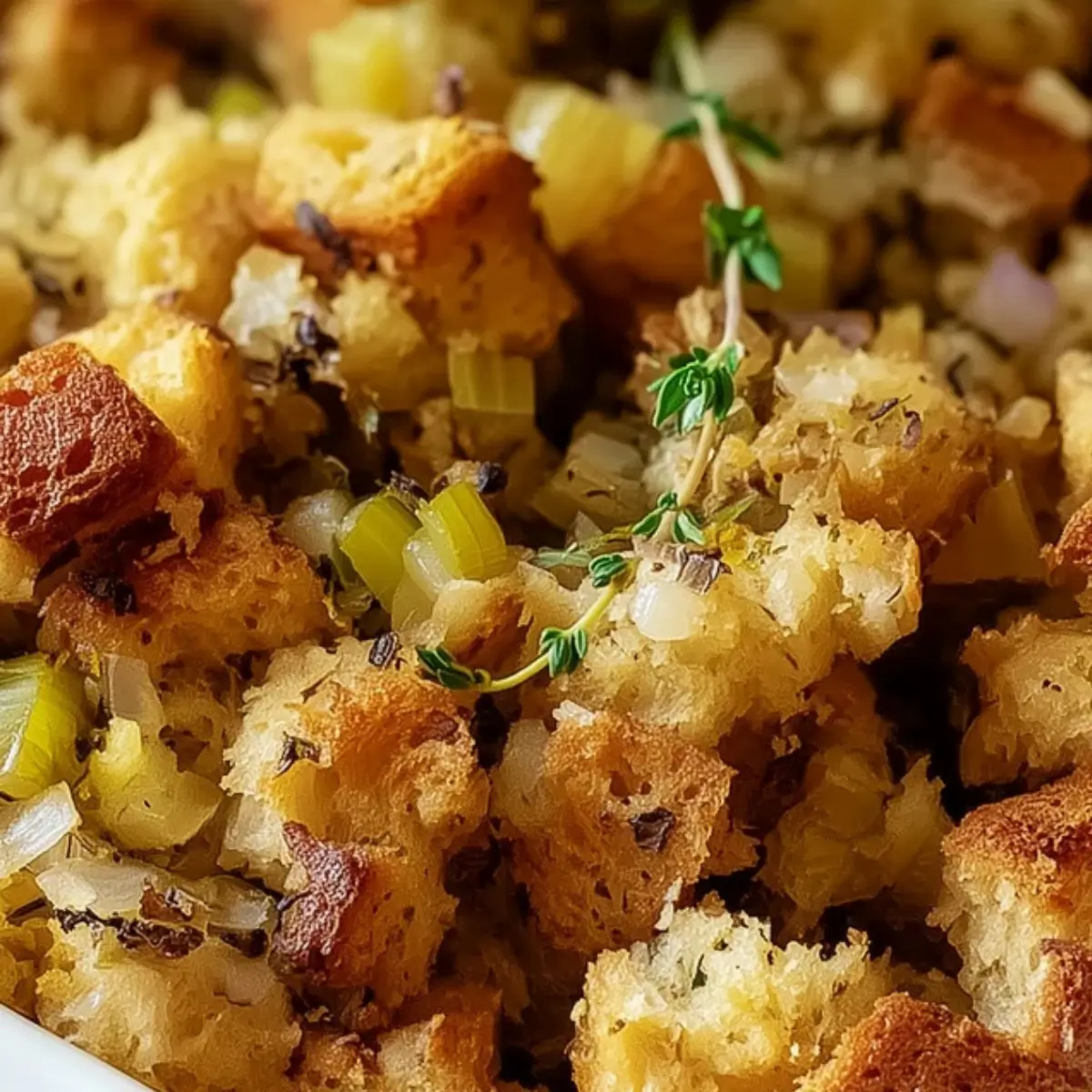
Table of Contents
Ingredients for Grandma’s Thanksgiving Stuffing
Getting the ingredients right is your first step toward authenticity. The secret lies in balancing simple, whole ingredients that work in harmony—not overpowering each other but instead layering into a warm, satisfying dish.
Here’s what you’ll need:
- 10 cups cubed sourdough or French bread (preferably stale or lightly toasted)
- 1 large yellow onion, finely diced
- 2 cups chopped celery (about 3–4 stalks)
- 2 tablespoons fresh sage, chopped
- 2 tablespoons fresh thyme, chopped
- 1 tablespoon fresh rosemary, chopped
- 4 cups low-sodium chicken or vegetable broth, warmed
- ½ cup (1 stick) unsalted butter, melted
- Salt and pepper to taste
Optional Add-ins to Make It Your Own
- Cooked sausage for a savory twist
- Diced apples or dried cranberries for a touch of sweetness
- Chopped pecans or walnuts for added crunch
- Mushrooms for earthiness
- Carrots for subtle sweetness and texture
Feel free to incorporate these to personalize the dish while keeping the core tradition intact.
How to Make Grandma’s Thanksgiving Stuffing
If you’ve ever wondered how Grandma always got that perfectly crispy top and moist center, it wasn’t by chance. This stuffing follows a tried-and-true method that’s easy to replicate with the right approach.
Step 1: Prep the Ingredients
Start by cubing your bread into bite-sized chunks. If it’s fresh, toast it lightly in the oven or let it sit out overnight to dry. This ensures the bread will absorb the broth without getting soggy.
Preheat your oven to 350°F (175°C) and chop your onion, celery, and herbs.
Step 2: Sauté the Vegetables
In a large skillet, melt the butter over medium heat. Add the diced onion and celery, then sauté until they become soft and translucent—about 5 to 7 minutes. This step builds the base flavor and releases the aroma that’ll fill your kitchen with holiday vibes.
Season lightly with salt and pepper to layer your flavors early on.
Step 3: Combine Everything
In a large mixing bowl, combine the cubed bread with the sautéed vegetables. Sprinkle in your fresh herbs and toss gently to distribute them evenly.
Now comes the crucial step—adding the broth. Slowly pour the warm broth over the mixture while tossing gently. The goal is to moisten the bread without turning it into a paste. The stuffing should feel damp, not wet.
Step 4: Bake to Perfection
Transfer the stuffing to a greased baking dish, spreading it out evenly. Cover the dish with foil and bake for 30 minutes. This allows the center to steam and cook through. Then remove the foil and bake for another 15 minutes until the top becomes golden and slightly crisp.
Let it rest for a few minutes before serving.
Serving Suggestions for Thanksgiving Stuffing
Stuffing is famously versatile. While it naturally pairs with roasted turkey and homemade gravy, it also shines alongside other holiday favorites:
- Mashed potatoes with chive butter
- Roasted carrots or Brussels sprouts
- Cranberry sauce for a tart contrast
- Gravy-drizzled green beans
- Fresh parsley or thyme as a garnish
Consider serving stuffing in individual ramekins for a fancier presentation, especially for small gatherings or plated dinners.
Storing and Reheating Tips
Got leftovers? Here’s how to store your stuffing without losing its texture or flavor.
Let the dish cool completely before transferring it to an airtight container. It will stay fresh in the refrigerator for up to 3 days.
To reheat, place a portion in a microwave-safe container and add a splash of broth to restore moisture. Alternatively, reheat it in the oven at 325°F for about 15 minutes, covered with foil.
If you want to freeze stuffing, portion it into freezer-safe bags or containers. It will keep for up to a month. Thaw in the fridge overnight and then reheat as usual.
Tips and Tricks for Perfect Stuffing Every Time
Even with a great recipe, execution matters. These expert tips help you avoid common missteps and elevate your dish:
- Use stale bread. Fresh bread turns mushy. Dry cubes absorb flavor without collapsing.
- Taste as you go. Don’t just trust measurements—flavor preferences vary. Adjust herbs and salt before baking.
- Don’t overpack the pan. Lightly spoon the stuffing into your dish to keep airflow even. Pressing it down creates a dense, undercooked center.
- Choose your broth wisely. Low-sodium broth gives you control over salt levels, and homemade options add rich depth.
- Make it ahead. Prepare everything a day in advance, then bake fresh. The overnight rest lets flavors meld beautifully.
Mistakes to Avoid When Making Stuffing
Many home cooks unknowingly undermine their stuffing by rushing or skipping key steps. Here’s what to steer clear of:
- Skipping the drying step. Wet bread makes for soggy stuffing with an uneven texture.
- Not layering flavors. Seasoning only at the end often leads to bland stuffing. Build flavor in each step.
- Using too little liquid. Dry stuffing is hard to revive. Don’t be afraid to use enough broth—just pour slowly and test the texture.
- Overbaking. If your top is too brown but the center is dry, cover it loosely with foil for the last few minutes.
Nutritional Information (Per Serving – Approximately 1 Cup)
- Calories: 250
- Total Fat: 10g
- Saturated Fat: 6g
- Unsaturated Fat: 3g
- Trans Fat: 0g
- Cholesterol: 20mg
- Sodium: 350mg
- Sugar: 3g
- Carbohydrates: 35g
- Fiber: 2g
- Protein: 5g
These values may vary depending on your ingredients and portion sizes. Use them as a general guideline.
Frequently Asked Questions About Grandma’s Thanksgiving Stuffing
How do you make Grandma’s Thanksgiving stuffing from scratch?
You begin with cubed, dried bread, sautéed onion and celery, fresh herbs, and warm broth. After combining the ingredients, bake until the top is crisp and golden. The full breakdown above walks you through every step to replicate Grandma’s technique faithfully.
Can you prepare Grandma’s Thanksgiving stuffing in advance?
Absolutely. Prepare the stuffing the day before and store it in the refrigerator unbaked. On Thanksgiving Day, take it out an hour before baking to bring it to room temperature, then bake as usual. This method not only saves time but actually improves the flavor.
What can I add to Grandma’s stuffing to make it unique?
You can incorporate sausage, bacon, dried fruits, apples, mushrooms, or nuts to add texture and depth. Just be careful not to overpower the herb base—balance is key.
Conclusion
Grandma’s Thanksgiving stuffing isn’t just a recipe—it’s a memory on a plate, a warm hug from the past, and a tradition worth preserving. Each bite carries the flavors of fall and the essence of family, whether you stick strictly to the classic version or bring your own flair to the table.
Making this dish from scratch may seem like a small detail in a busy holiday kitchen, but it’s one of those details that makes all the difference. With every step—chopping the celery, tearing the bread, stirring the broth—you’re not just cooking. You’re honoring the hands that stirred the pot before you and creating a table worth gathering around.
So this year, make it with intention. Share it proudly. And maybe, just maybe, pass it along to someone else who will treasure it as much as you do.
More Delicious Recipes
- Classic Thanksgiving Stuffing: A timeless recipe that mirrors the warmth and savory depth of Grandma’s stuffing, using traditional herbs and hearty bread to create a perfectly moist interior with a crispy golden crust. Ideal for those who love the classic Thanksgiving table flavors.
- Classic Butter Herb Stuffing: This variation highlights the comforting richness of butter combined with fresh herbs like sage and thyme. It’s simple, yet packed with flavor—perfect for anyone looking to enhance their stuffing with an extra buttery finish.
- Sausage Apple Sage Stuffing: For a sweet and savory twist, this recipe combines juicy sausage with crisp apples and fragrant sage. It’s a delightful way to elevate the traditional stuffing experience while still honoring Grandma’s flavor palette.
Grandma’s Thanksgiving Stuffing

A traditional Thanksgiving side dish made with cubed bread, sautéed vegetables, fresh herbs, and broth, baked until golden and crispy on top. This comforting stuffing brings nostalgic flavors and a soft, moist texture that pairs perfectly with roasted turkey and other holiday dishes.
- Prep Time: 15 minutes
- Cook Time: 45 minutes
- Total Time: 60 minutes
- Yield: 8 servings
- Category: Side Dish
- Method: Baking
- Cuisine: American
- Diet: Vegetarian
Ingredients
- 10 cups cubed sourdough or French bread (preferably stale or lightly toasted)
- 1 large yellow onion, finely diced
- 2 cups chopped celery (about 3–4 stalks)
- 2 tablespoons fresh sage, chopped
- 2 tablespoons fresh thyme, chopped
- 1 tablespoon fresh rosemary, chopped
- 4 cups low-sodium chicken or vegetable broth, warmed
- 1/2 cup unsalted butter (1 stick), melted
- Salt and pepper to taste
Instructions
- Preheat your oven to 350°F (175°C).
- Cube the bread and allow it to dry overnight or toast it lightly in the oven.
- Finely chop the onion, celery, and fresh herbs.
- In a large skillet over medium heat, melt the butter and sauté the onion and celery for 5–7 minutes until tender.
- Place the cubed bread in a large mixing bowl and add the sautéed vegetables and chopped herbs. Season with salt and pepper.
- Gradually pour the warm broth over the bread mixture while gently tossing to ensure even moisture.
- Transfer the stuffing to a greased baking dish, spreading it evenly without pressing it down.
- Cover with aluminum foil and bake for 30 minutes.
- Remove foil and bake an additional 15 minutes, until the top is golden brown and slightly crispy.
- Let cool slightly before serving.
Notes
- You can add cooked sausage, diced apples, cranberries, or nuts for extra flavor.
- Use low-sodium broth to control saltiness.
- Stuffing can be prepared a day in advance and baked fresh.
- Reheat leftovers with a splash of broth to restore moisture.