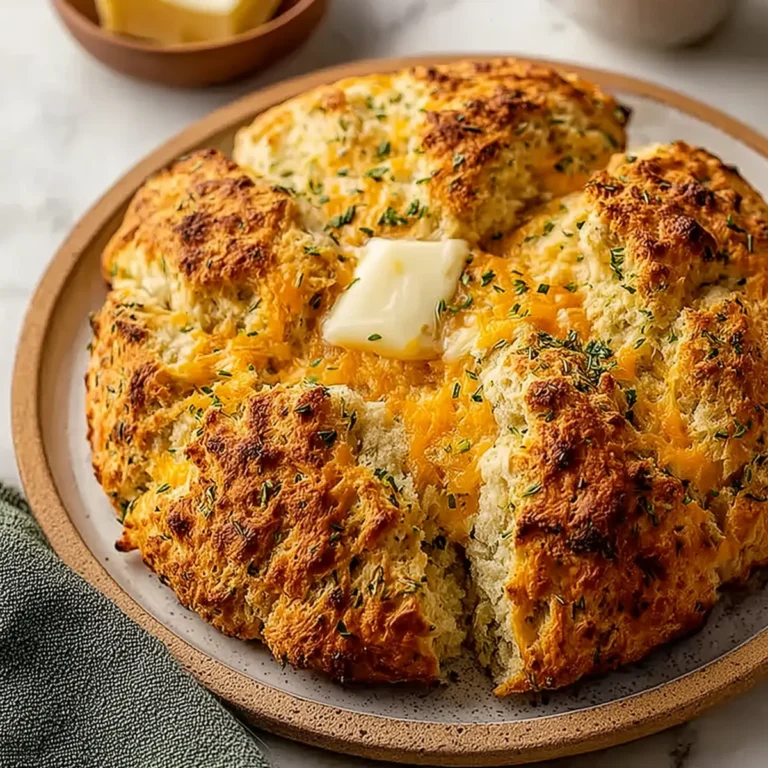
There’s something magical about baking a loaf of Irish Soda Bread (No Yeast Bread) in your own kitchen. It fills the house with that toasty, wholesome scent—a little tangy, a little nutty, and totally comforting. What I love about this classic soda bread is how easy and accessible it is, even on those evenings when you realize too late you’re out of yeast. With just a handful of everyday ingredients, you can create a crusty golden loaf that’s soft inside and begging for a smear of butter.
This is the kind of bread that doesn’t fuss or require special skills. The rustic shape, the craggy split on top, the golden, crackling crust—you get all of that without kneading for ages or waiting around for dough to rise. If you’ve always wanted homemade bread but felt intimidated by the process, Irish Soda Bread is here to change your mind.

Classic kitchen tools for old-fashioned soda bread
This is one of those recipes that really lets you rely on the basics—no need for a bread machine or stand mixer here. You just need:
- Mixing bowl – For combining your dry and wet ingredients.
- Fork, table knife, or your hands – Whatever feels easiest to mix and bring the dough together.
- Worktop or countertop – For gently kneading and shaping the dough.
- Serrated knife – For making a deep cross on top of the loaf before baking.
- Baking tray (lined) – To bake the shaped dough evenly and prevent sticking.
If you’ve never made bread before, this is a relaxed place to start—just trust your hands and mimic how the dough feels.
The simple ingredients that make this bread special
- flour – The backbone of your loaf! All-purpose gives a lovely crumb and mild flavor.
- Buttermilk – Adds a wonderful tang and helps activate the baking soda for the rise.
- Salt – Enhances flavor and brings out the warmth of the bread.
- Baking soda – The key to making this a true “no yeast” bread, giving you that signature rise and a slightly nutty taste.
See the recipe card below for the full list of ingredients and measurements.
Making Irish soda bread (no yeast required) step by step
- Preheat your oven. Set it to 200°C (400°F) so it’s nice and hot for a golden crust.
- Combine dry ingredients. In a large bowl, add your all-purpose flour, salt, and baking soda. Give them a gentle whisk together, then make a well in the middle. The simple aroma of flour and soda starts to fill the air.
- Add the buttermilk. Pour it into the well, then use a fork, table knife, or your hands to gently mix everything. The dough will start to look a bit rough and shaggy, but that’s good—it’s not supposed to be perfectly smooth.
- Knead briefly. Tip the dough onto a lightly floured worktop. Knead just until it comes together into a ball—overworking will make it tough, so keep it gentle and stop once you can shape it. The dough should hold together but still look rustic and slightly ragged.
- Shape and score. Form the dough into a round shape, then transfer it to a lined baking tray. With a serrated knife, cut a deep cross on top—this helps the heat reach the center and gives you that iconic soda bread look.
- Bake to golden perfection. Slide your tray into the oven and bake for 30 to 40 minutes. The bread is ready when it’s deep golden on the outside and sounds hollow when tapped on the bottom. The smell is irresistible at this point!
- Cool and enjoy. Let the loaf cool for a bit before slicing (if you can wait). It’s also wonderful eaten warm, slathered with salted butter or a dollop of marmalade.
Tips, troubleshooting, and common mistakes for soda bread
Irish Soda Bread (No Yeast Bread) is famously forgiving, but here are a few ways to help your loaf truly shine:
- Don’t overmix. Mix just until combined—overmixing leads to a dense, chewy bread instead of a tender crumb.
- No need to obsess over smoothness. Shaggy dough is part of the charm! If it’s too sticky to handle, dust your hands lightly with flour.
- Knead gently and briefly. You want everything just combined so the bread stays light after baking.
- Cut a deep cross on top. This isn’t just for looks—it helps the loaf cook evenly and prevents a doughy middle.
- Check for doneness. The bread should be golden brown and sound hollow when tapped underneath. If it seems pale, pop it back in for a few extra minutes.
Sometimes my kitchen’s a bit chilly and the loaf needs a little longer, so don’t be afraid to trust your senses.
Delicious ways to serve soda bread and simple variations
This rustic loaf is such a versatile side. Here’s how you might want to enjoy it:
- With soups and stews. Those sturdy slices are perfect for soaking up hearty broths and creamy chowders.
- For breakfast. Toast a wedge with butter and homemade marmalade, or serve warm with a little honey drizzled over.
- Alongside salad or cheese. It’s a great match for tangy goat cheese or soft spreads.
- Simple swaps. In a pinch, you can try yogurt thinned with a splash of milk for the buttermilk, though the flavor will be milder.
- Add-ins for variation. Fold in a handful of raisins, some caraway seeds, or even a pinch of dried herbs to make it your own. (Just don’t overdo add-ins or it may weigh down the bread.)
- Make it festive. For a St. Patrick’s Day touch, serve slices with smoked salmon or sharp cheddar.
Homemade Irish Soda Bread is endlessly adaptable—just keep the base simple and get creative with toppings or sides.
FAQs about Irish Soda Bread (No Yeast Bread)
Can I make Irish Soda Bread (No Yeast Bread) ahead of time?
Irish Soda Bread is at its absolute best fresh out of the oven or eaten the same day. If you need to make it ahead, let it cool fully, wrap in a clean kitchen towel or airtight container, and enjoy within one to two days for the best texture.
Is it possible to freeze Irish Soda Bread?
Yes! Once cooled, wrap your loaf tightly in plastic or foil and pop it in the freezer. When you’re ready, thaw at room temperature, then reheat gently in a low oven to refresh that signature crustiness.
What are good substitutes for buttermilk in this bread?
If you’re out of buttermilk, try using plain yogurt thinned with a splash of milk, or sour milk (mix 1 tablespoon lemon juice or vinegar into 250 ml milk and let sit for a few minutes). The tanginess really helps activate the baking soda.
The simple joy of homemade Irish soda bread
There’s something wonderfully grounding about pulling a rustic loaf of Irish Soda Bread (No Yeast Bread) from your oven. The crust sings as it cools, the crumb is chewy and warm, and each slice feels like a nod to old-fashioned comfort. Whether you serve it with butter, soup, or jam, this simple bread delivers pure, honest flavor every time. Pour a cup of tea, tear off a hearty slice, and enjoy the everyday magic of fresh, homemade bread.
More Delicious Recipes
- Irish Scones: These buttery scones make a perfect tea time treat alongside your homemade soda bread.
- Cozy Irish Stew with Lamb and Root Vegetables: A hearty dish that pairs beautifully with slices of fresh soda bread to soak up the flavors.
- Irish Bangers and Mash with Guinness Onion Gravy: This classic comfort food is delicious with a side of crusty soda bread for a filling meal.
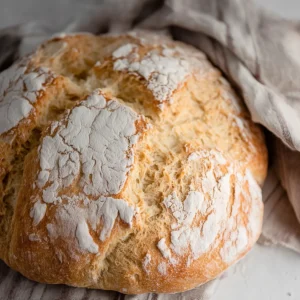
Easy Irish Soda Bread recipe (No Yeast Bread)
Equipment
- mixing bowl
- Fork, table knife, or hands
- Worktop or countertop
- Serrated knife
- Baking tray (lined)
Ingredients
Ingredients
- 3 3/4 cups all-purpose flour (450g)
- 350 ml buttermilk (12 oz)
- 1 teaspoon salt
- 1 teaspoon baking soda
Instructions
Instructions
- Preheat the oven at 200C/400F
- To a large bowl, add all-purpose flour, salt and baking soda together then make a well in the middle.
- Add buttermilk to the dry ingredients and mix together using a fork, table knife or your hand until it comes together.
- Turn the dough onto a lightly floured worktop and gently knead so it comes together that you can shape it. Never mind if it looks shaggy as long as you can work with it. Form a round shape and transfer the dough to a lined baking tray.
- Using a serrated knife, cut a deep cross on the dough and place in the oven. Bake for 30 to 40 minutes until the bread is golden on the outer part.
- Take it out of the oven and leave to cool before serving. You can also eat while it is still warm