If you’ve been craving that velvety, lush filling you find tucked inside perfect Italian pastries—or you just want to elevate your homemade tarts, cakes, or doughnuts with a classic touch—this Italian Pastry Cream recipe is your answer. I still remember the very first time I tried Crema Pasticcera in a bustling Roman pasticceria: the fragrance of vanilla, the impossibly smooth texture, the way it seduced every spoonful. Now, you can make that same old-world magic in your own kitchen, no tricky techniques or fancy gear required.
Italian Pastry Cream is one of those essentials you’ll want in your repertoire. It’s what makes so many desserts—think fruit tarts, layer cakes, or puffy bomboloni—so much more memorable. Rich but not too heavy, sweet yet never cloying, this is the creamy, spoonable custard you’ll reach for whenever you want something both decadent and comforting.
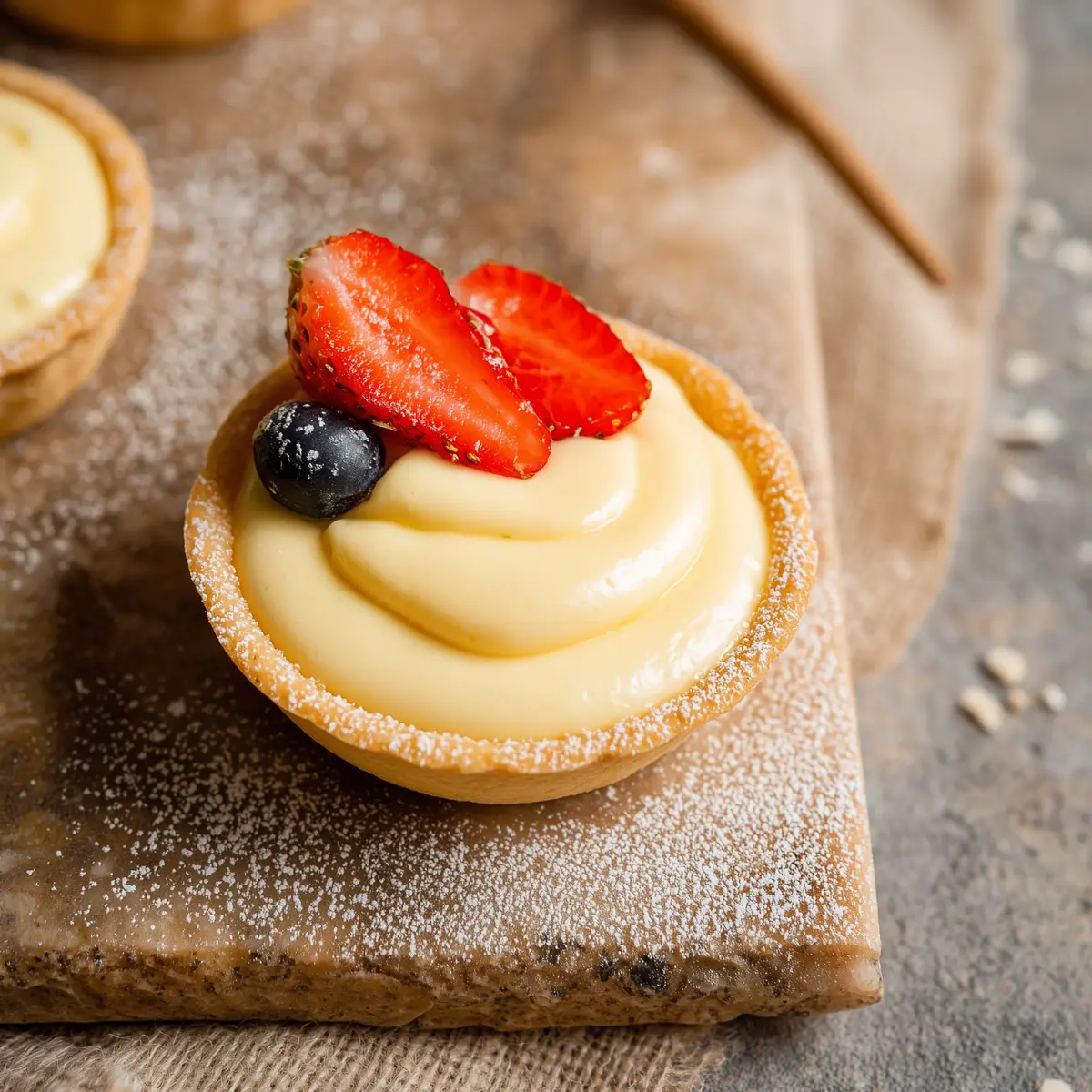
Why Crema Pasticcera Belongs in Your Baking Repertoire
Italian Pastry Cream, or Crema Pasticcera, is the ultimate secret weapon for anyone serious about desserts. It’s smooth, glossy, and has this naturally rich flavor that’s surprisingly simple to achieve at home. No need for a chef’s coat or hours at the stove—you’ll find it comes together with just a little patience and a gentle touch.
What sets this recipe apart is its adaptability. Spread it between cake layers, dollop it into fresh fruit tarts, or simply eat it by the spoonful (I won’t judge). You get all the flavor of European bakery classics, but the method is friendly enough for a spontaneous weeknight treat or a busy holiday batch of bomboloni. Whether you’re baking for a crowd or just for yourself, this pastry cream is guaranteed to elevate anything it touches.
Inside Italian Pastry Cream: Ingredients Explained
Every good crema starts with classic staples, and each ingredient brings something special to the mix. Here’s what you’ll need (but check the recipe card for the full details before you get started):
- Egg yolks: Lend silkiness and give the cream its signature yellow color.
- Sugar: Adds gentle sweetness and helps everything blend smoothly.
- Cornstarch: Acts as the thickener, ensuring a stable, creamy texture that slices beautifully.
- Full-fat milk: The base that brings that irresistible richness and mouthfeel.
- Vanilla paste: Delivers that deep, aromatic flavor—swap for extract or a split vanilla bean if you like.
See the recipe card below for the full list of ingredients and measurements.
Easy Ingredient Swaps for Any Pantry
Don’t let a missing ingredient stop your pastry ambitions. For a dairy-free version, you can use unsweetened almond or oat milk—just expect a slightly different flavor profile. If you’re out of cornstarch, potato starch makes a great stand-in. For an extra indulgent taste, try adding a splash of cream for part of the milk, or infuse with citrus zest for a subtle, bright twist. Classic custard lovers can use a vanilla bean instead of paste for those little black specks and richer aroma.
From Simple to Stunning: How to Make Italian Pastry Cream Step by Step
Making Italian Pastry Cream at home feels a little bit magical—especially when you taste that first silky spoonful. Here’s how to do it without fuss:
- Gently warm the milk with vanilla in a saucepan. You want it steaming, not boiling—just enough to awaken the aroma and infuse the base.
- In a separate bowl, whisk the egg yolks with the sugar until the mixture turns pale and creamy. Add in the cornstarch and whisk until the lumps disappear, transforming everything into a smooth, thick paste.
- Slowly stream the warm milk into the egg mixture while whisking vigorously. This step is key for a lump-free, glossy custard—keep whisking so nothing curdles.
- Pour the whole mixture back into the saucepan. Place it over a medium-low flame and stir constantly with a wooden spoon, feeling for any thickening at the bottom. As the cream gently cooks, it transforms into a luscious, velvety custard right before your eyes.
- Once it’s thick enough to coat the back of your spoon, it’s done. Scrape the pastry cream into a clean bowl. Lay plastic wrap directly on the surface to stop a skin from forming—this little secret keeps the texture pristine.
- Let the cream cool at room temperature, then transfer it to the fridge. It thickens as it chills and will be ready to use in your favorite desserts.
Mastering the Finish: Tips & Tricks for Perfect Pastry Cream
Patience and constant stirring are your best friends for flawless Italian pastry cream. Don’t walk away from the stove—even a minute too long can mean scrambled eggs instead of a silky custard. If you spy lumps starting to form, pull the pan off the heat and whisk hard; a sieve does wonders in emergencies.
To boost the flavor, let the vanilla steep in warm milk a little longer. Always use fresh eggs for the creamiest, richest results. If you’re prepping for a party, make the cream the day before—just keep the plastic wrap tight against the surface, and it’ll stay smooth. Leftovers keep well in the fridge for a couple of days, but always give a quick stir before spreading or piping for the silkiest texture.
Pairings & Variations for Every Sweet Tooth
Italian Pastry Cream isn’t just for filling pastries—though it’s downright dreamy in bomboloni or éclairs. You can swirl it atop fruit tarts, nestle it between cake layers, or serve it in dainty bowls with fresh berries on the side. For chocolate lovers, whisk in melted chocolate while the cream is still hot, or add a swirl of espresso for a tiramisu-inspired twist.
Feeling adventurous? Layer with whipped cream to create a delicate diplomat cream, or fold in crushed nuts for a bit of crunch. If you need a showstopper, pipe it into choux puffs or spoon it over sliced peaches. The possibilities are endless, so don’t be afraid to experiment.
FAQs about Italian Pastry Cream
Can I make Italian Pastry Cream ahead of time?
Yes, you can absolutely make pastry cream ahead. Keep it chilled with plastic wrap right against the surface and use within two days for the best flavor and texture.
Why did my pastry cream turn lumpy?
Lumps usually happen when the eggs cook too fast or you stop whisking. Pour the hot milk slowly, whisk constantly, and pass through a sieve if needed to save your cream.
Can I freeze Italian Pastry Cream?
It’s not recommended to freeze pastry cream. Freezing tends to alter the smooth texture, often leading to separation when thawed.
How do I make chocolate or lemon versions of this pastry cream?
To turn it into chocolate pastry cream, stir in chopped chocolate or cocoa powder while still hot. For lemon, add finely grated zest and a splash of juice to the milk for a bright, fresh twist.
Bringing It All Together
Once you get a feel for Italian Pastry Cream, it’s bound to become one of your go-to dessert classics. Whether you’re filling pastries, layering cakes, or just sneaking spoonfuls straight from the bowl, its silky richness and pure vanilla flavor never disappoint.
I hope you give this recipe a try and find as much joy in making (and eating) Italian Pastry Cream as I do. With a few basic ingredients and a bit of care at the stove, you’ll have a foundation for countless sweet creations.
More Delicious Recipes
- Tiramisu Chocolate Layer Cake: This dessert features layers of rich pastry cream, perfect for those who love creamy confections.
- Bomboloni: These Italian stuffed doughnuts are a delightful way to enjoy your homemade pastry cream as a filling.
- Yule Log Cake Recipe: A classic holiday dessert that often includes rich creams and custards, reminiscent of your pastry cream creation.

Italian Pastry Cream - Crema Pasticcera

Equipment
- Saucepan
Ingredients
Ingredients
- 5 egg yolks egg yolks (large eggs)
- ⅓ cup sugar (70g)
- ¼ cup cornstarch (Cornflour in the UK (30g))
- 2.5 cups full-fat milk (590ml)
- ½ tsp vanilla paste ( * see notes)
Instructions
Instructions
- Warm the milk and vanilla in a saucepan then set aside.
- Mix the egg yolks and sugar together until combined then add the cornstarch and mix it thoroughly.
- Slowly pour the warm milk into the egg mixture whilst whisking constantly to avoid any lumps.
- Once incorporated, pour the egg and milk mixture back into the saucepan and heat it on a medium-low heat.
- Stir the mixture constantly with a wooden spoon until the mixture is very thick in consistency (about 10 minutes). If you find it isn't thickening turn the heat up but keep stirring to avoid scrambling the eggs (use a whisk to get rid of any small lumps if needed).
- Once thickened, pour the pastry cream into a clean bowl and place plastic wrap directly on top to stop a skin forming.
- Let the mixture cool then place in the fridge until ready to use.