It started with a trip my grandmother planned when I was twelve—a surprise family vacation to New Orleans. We wandered through the French Quarter, and there, under a cloud of powdered sugar and the hiss of frying dough, I tasted my first beignet. Grandma watched the café workers with intensity, already planning to recreate the moment at home. That’s exactly what this recipe is: a tribute to her kitchen, her curiosity, and those golden puffs that made a street corner feel like magic.
These vanilla french beignets are café-worthy but approachable. They’re light yet substantial, delicately flavored with real vanilla, and have that perfect contrast between a crisp shell and pillowy interior. Whether you’re craving a weekend indulgence, hosting brunch, or just in the mood to fry up some joy, this recipe walks you through every step.
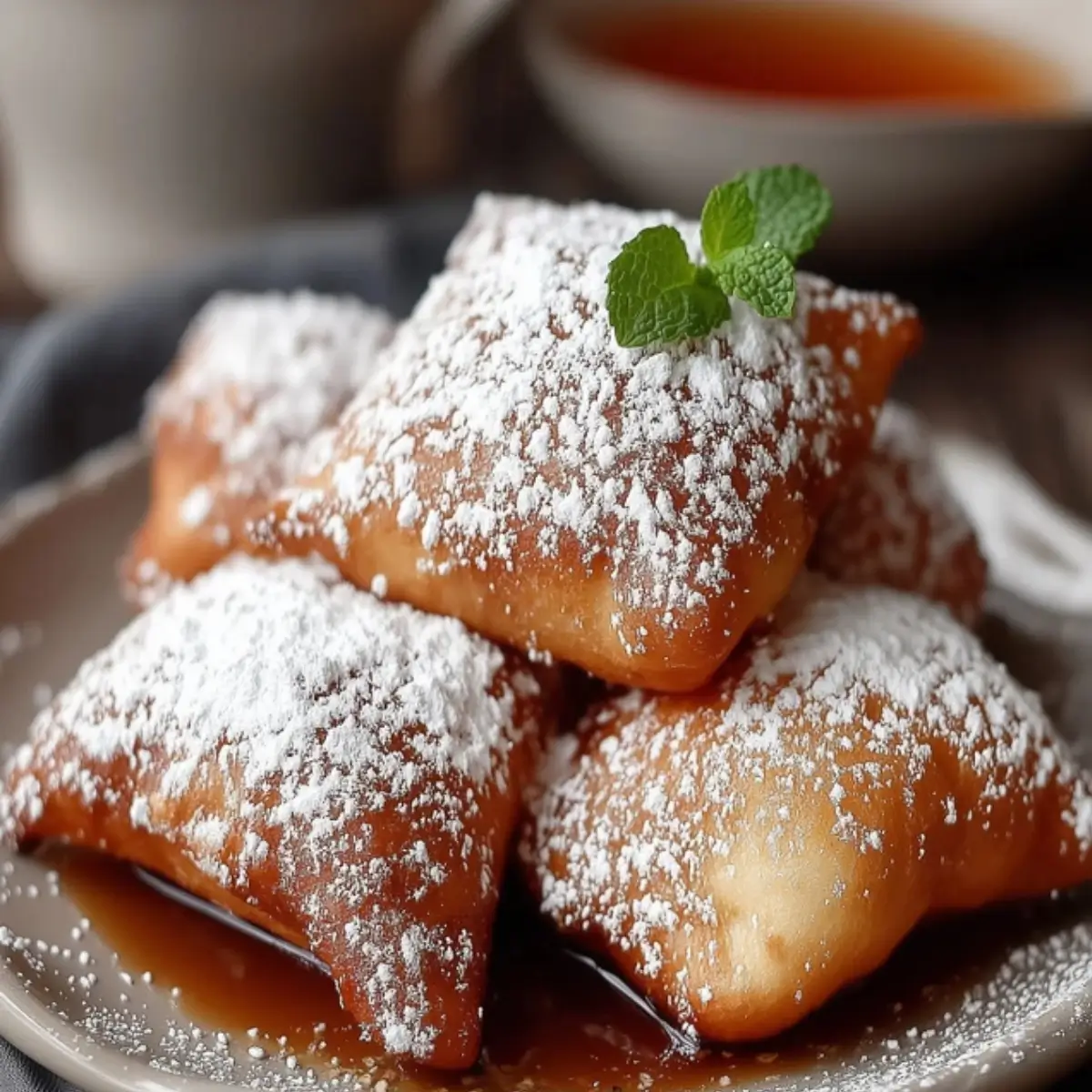
Table of Contents
Recipe Overview & Why You’ll Love It
These vanilla french beignets are inspired by the classic New Orleans version—airy, golden, and dusted in snow-like powdered sugar—but with a subtle vanilla twist that adds depth and warmth. The dough is yeast-raised, which creates that irresistible puff and softness, while a touch of butter and vanilla gives it a gently sweet aroma that’s never overpowering.
Unlike donuts, these beignets are less dense, more refined, and—thanks to two key rises and precise oil temperature—shockingly easy to nail at home. You’ll love how versatile they are, whether you serve them with coffee or dress them up with fillings or flavored sugar.
Ingredients & Substitutions
Everything you need for these vanilla french beignets is likely already in your pantry. If not, smart substitutions can still deliver café-style results.
Wet Ingredients
- ¾ cup (180 ml) warm water (about 110°F / 43°C)
- 2 large eggs, room temperature
- 4 tablespoons (57 g) unsalted butter, melted and cooled
- 1½ teaspoons pure vanilla extract
Dry Ingredients
- 2½ cups (312 g) all-purpose flour, sifted
- 2¼ teaspoons active dry yeast
- ¼ cup (50 g) granulated sugar
- ½ teaspoon salt
- ½ cup (60 g) powdered sugar, for dusting
For Frying
- 1 quart (approx. 1 liter) vegetable oil
Smart Substitutions
- Yeast: Use 1¾ teaspoons instant yeast (skip proofing).
- Butter: Swap with plant-based butter for dairy-free.
- Vanilla: A scraped vanilla bean adds elegance but isn’t necessary.
- Flour: Bread flour yields chewier results; for gluten-free, use a 1:1 blend with xanthan gum.
- Flavorings: Add lemon zest or cinnamon to the dough for seasonal twists.
Equipment You’ll Need
Precision and consistency make or break vanilla french beignets. The following tools ensure every batch turns out beautifully.
- Large mixing bowl (preferably wide for rising)
- Kitchen scale (for accuracy, especially with flour)
- Rolling pin (or substitute with a wine bottle)
- Pizza cutter or sharp knife (for clean cuts)
- Candy thermometer (375°F / 190°C accuracy is critical)
- Heavy-bottomed pot or deep fryer
- Slotted spoon or spider skimmer
- Damp kitchen towel (for proofing)
Step-by-Step Instructions
Follow this method for foolproof vanilla french beignets that puff perfectly and taste like they came from a sidewalk café in New Orleans.
H3: Step 1 – Activate the Yeast
Dissolve 2¼ tsp active dry yeast in ¾ cup warm water with a pinch of sugar. Let stand for 5–10 minutes until foamy. If it doesn’t bubble, your yeast is inactive—start over.
H3: Step 2 – Mix the Dough
In a large bowl, whisk 2 eggs and ¼ cup sugar. Stir in 4 tbsp melted butter, ½ tsp salt, and 1½ tsp vanilla extract. Pour in the yeast mixture and gradually mix in 2½ cups sifted flour until a slightly sticky dough forms. Don’t overmix.
H3: Step 3 – First Rise
Place dough in a greased bowl. Cover with a damp towel and let it rise in a warm spot for about 1 hour, or until doubled in size. It should look pillowy and slightly jiggly.
H3: Step 4 – Roll & Cut
Transfer dough to a lightly floured surface. Roll out to ½-inch thickness. Use a pizza cutter to slice into 3-inch squares. They don’t have to be perfect.
H3: Step 5 – Second Rise
Place the cut squares on a floured tray, cover loosely, and let rise another 30 minutes. They should look visibly puffier.
H3: Step 6 – Heat Oil
Heat 1 quart vegetable oil in a deep fryer or heavy pot to 375°F (190°C). Use a candy thermometer to monitor. Too hot = burnt. Too cool = greasy.
H3: Step 7 – Fry in Batches
Gently drop in 2–3 squares at a time. Fry for 2–3 minutes per side, until deep golden brown and puffed. Turn with a slotted spoon. Drain on paper towels.
H3: Step 8 – Dust & Serve
While still warm, coat generously with powdered sugar. Serve immediately for the best texture and flavor.
Why This Recipe Works
Vanilla french beignets depend on two things: dough development and frying precision. Here’s why this method delivers consistent, café-level results.
- Two rises build internal air pockets, creating a light crumb.
- Room-temp eggs and warm water help yeast activate fully.
- Vanilla added before flour disperses evenly throughout.
- Candy thermometer prevents undercooked centers or greasy crusts.
- No kneading reduces gluten tension, keeping the crumb tender.
- Post-fry dusting ensures sugar sticks without melting or clumping.
Pro Tips & Variations
You can customize vanilla french beignets without compromising texture. Here’s how to get creative.
- Make mini beignets: Cut dough into 2-inch squares for party trays.
- Filled version: After frying, inject pastry cream, jam, or Nutella with a piping bag.
- Flavor swap: Use almond or orange extract instead of vanilla.
- Cinnamon-sugar finish: Toss hot beignets in a mix of sugar and cinnamon instead of powdered sugar.
- Drizzle option: Top with warm chocolate or lemon glaze for dessert plates.
- Double the batch: This recipe doubles cleanly. Just ensure your oil stays hot between rounds.
Make-Ahead, Storage & Freezing
While vanilla french beignets are best fresh, you can prep ahead with a few smart adjustments.
- Make-ahead dough: After first rise, refrigerate dough up to 24 hours. Let it come to room temperature before rolling.
- Short-term storage: Keep cooked beignets in an airtight container for up to 2 days. They lose crispness but stay tasty.
- Reheat: Warm in a 350°F (175°C) oven for 3–5 minutes. Avoid the microwave—they’ll turn gummy.
- Freezing option: Freeze raw cut squares on a tray, then store in a bag. Fry straight from frozen, adding 1–2 minutes.
Serving Suggestions & Pairings
Serving vanilla french beignets is half the fun. Here’s how to create a memorable experience.
- Classic pairing: Serve with strong black coffee or café au lait.
- Winter cozy: Try them with cinnamon-spiced hot chocolate.
- Brunch spread: Pair with waffles, berry compote, and eggs.
- Dessert plate: Add vanilla ice cream and drizzle with raspberry sauce.
- Garnish idea: Top with fresh mint or a zest of lemon just before serving.
Dietary Notes & Allergen Considerations
With a few tweaks, vanilla french beignets can suit different dietary needs.
- Dairy-free: Use plant butter and confirm vanilla extract is non-dairy.
- Egg-free: Replace each egg with 1 tbsp flaxseed meal + 3 tbsp water.
- Vegan: Use both egg- and dairy-free swaps.
- Nut-free: This recipe is naturally nut-free.
- Gluten-free: Substitute with a 1:1 GF flour blend that includes xanthan gum.
Troubleshooting & Common Mistakes
If something goes wrong, there’s usually an easy fix. Here’s how to troubleshoot your vanilla french beignets.
- Flat and oily: Yeast didn’t activate, or oil was too cool.
- Raw inside: Oil temp too high, cooked too fast. Lower to 365–370°F.
- Tough texture: Dough overmixed or overfloured.
- No puff: Second rise was skipped or too short.
- Sugar won’t stick: Beignets were too cool when dusted.
Nutritional Information (estimated per beignet)
- Serving Size: 1 beignet
- Calories: 210
- Sugar: 6g
- Sodium: 95mg
- Fat: 12g
- Saturated Fat: 3g
- Unsaturated Fat: 8g
- Trans Fat: 0g
- Carbohydrates: 24g
- Fiber: 1g
- Protein: 3g
- Cholesterol: 30mg
FAQs
What are vanilla french beignets made of?
Vanilla french beignets are made from a yeast-based dough using flour, eggs, butter, sugar, salt, and vanilla. They’re fried until puffed and golden, then dusted with powdered sugar.
Can I bake instead of fry these beignets?
You can bake them at 425°F (220°C) for 12–15 minutes, but the texture will be more like a roll than a traditional beignet. Frying is key to the authentic experience.
How do I scale this recipe?
Halve it for a small batch, or double it for gatherings. If doubling, fry in smaller batches and monitor oil temperature closely.
How long do vanilla french beignets stay fresh?
They’re best eaten warm within an hour. After that, reheat gently in the oven for up to 2 days.
Can I fill vanilla french beignets with cream or jam?
Yes! Once fried and cooled slightly, inject a small amount of pastry cream or jam using a piping bag fitted with a long nozzle.
Conclusion
There’s something deeply satisfying about watching vanilla french beignets puff into golden pillows right before your eyes. It’s not just a recipe—it’s a moment, a memory, and a way to bring café magic into your home.
Whether you’re making them as a nod to tradition or simply chasing that perfect combination of crispy and soft, these beignets offer a small taste of joy. Don’t wait for Mardi Gras—dust off the flour, heat the oil, and let your kitchen fill with the scent of vanilla and possibility.
Discover More Recipes
- Jiggly Japanese Soufflé Pancakes: These cloud-like pancakes share the same airy, melt-in-your-mouth quality as vanilla French beignets. Lightly sweetened and delicately vanilla-scented, they’re perfect for a refined brunch or breakfast treat.
- Holiday Eggnog Bread: Rich with vanilla, nutmeg, and a soft, cake-like texture, this festive loaf echoes the comforting flavors found in traditional French beignets, especially with a generous dusting of powdered sugar on top.
- Raspberry Linzer Cookies: For a European dessert with a powdered sugar finish, these buttery cookies filled with sweet raspberry jam deliver a crisp yet tender bite that aligns with the elegant sweetness of beignets.
vanilla french beignets
Vanilla French Beignets are light, golden pillows of fried dough, delicately flavored with vanilla and finished with a generous dusting of powdered sugar. Inspired by New Orleans café classics, they offer a crisp exterior with a tender, airy interior perfect for brunch or dessert.
- Prep Time: 90 minutes
- Cook Time: 15 minutes
- Total Time: 105 minutes
- Yield: 12 beignets
- Category: Dessert
- Method: Frying
- Cuisine: French
- Diet: Vegetarian
Ingredients
- 2½ cups all-purpose flour, sifted
- 2¼ tsp active dry yeast
- ¾ cup warm water (about 110°F)
- ¼ cup granulated sugar
- 2 large eggs, room temperature
- 4 tbsp unsalted butter, melted and slightly cooled
- ½ tsp salt
- 1½ tsp pure vanilla extract
- 1 quart vegetable oil (for frying)
- ½ cup powdered sugar (for dusting)
Instructions
- Dissolve 2¼ tsp active dry yeast in ¾ cup warm water with a pinch of sugar. Let sit for 5–10 minutes until foamy.
- In a large bowl, beat 2 eggs and ¼ cup sugar. Add melted butter, salt, vanilla extract, and yeast mixture.
- Gradually add 2½ cups sifted flour until a soft, slightly sticky dough forms.
- Place dough in a greased bowl, cover with a damp towel, and let rise in a warm place for 60 minutes or until doubled.
- Roll dough to ½-inch thickness on a floured surface and cut into 3-inch squares.
- Let the cut dough rise again for 30 minutes until puffy.
- Heat 1 quart of vegetable oil in a deep pot to 375°F.
- Fry 2–3 squares at a time for 2–3 minutes per side, until golden brown and puffed.
- Remove with a slotted spoon, drain on paper towels, and dust generously with powdered sugar while still warm.
Notes
- Use instant yeast as a substitute but reduce by 25% and skip the proofing step.
- Dough can be refrigerated after the first rise for up to 24 hours.
- Try lemon zest or cinnamon in the dough for flavor variation.
- Fry directly from frozen if freezing uncooked dough squares; add 1–2 minutes to cooking time.
- Do not microwave to reheat—use a 350°F oven for 3–5 minutes.