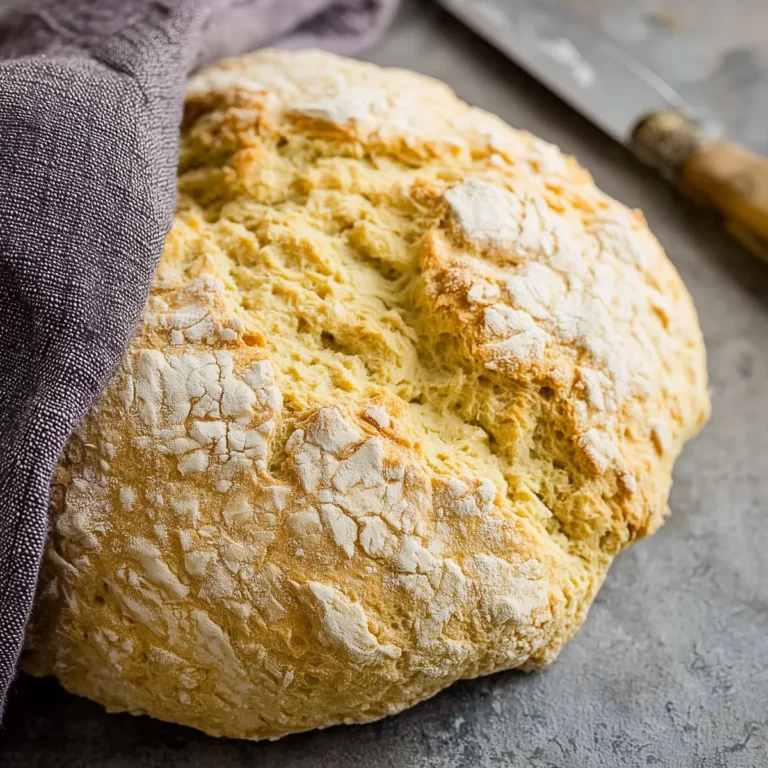
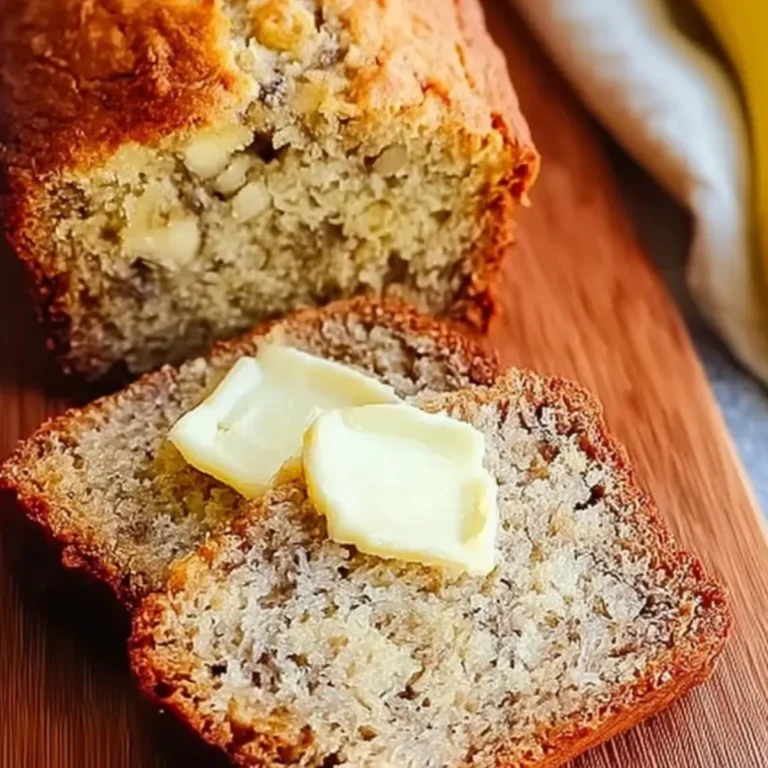
There’s something timeless about the smell of freshly baked bread wafting through your kitchen. The anticipation as you wait for the crust to turn golden, the satisfaction of slicing into a warm loaf and hearing that distinct crackle—it all feels like a small victory. And when you’re the one who made that loaf from scratch, the reward is even sweeter.
This easy crusty Italian bread recipe brings that experience right to your fingertips, no fancy equipment or culinary degree required. Whether you’re just dipping your toes into the world of bread-making or you’ve had your fair share of flour-dusted counters, this recipe is designed to make success inevitable.
The beauty of it lies in its simplicity. With basic pantry staples and a bit of patience, you’ll create a loaf that rivals any artisan bakery. But beyond that, you’ll also reconnect with a slower, more intentional way of cooking—one that brings comfort, creativity, and confidence into your home.
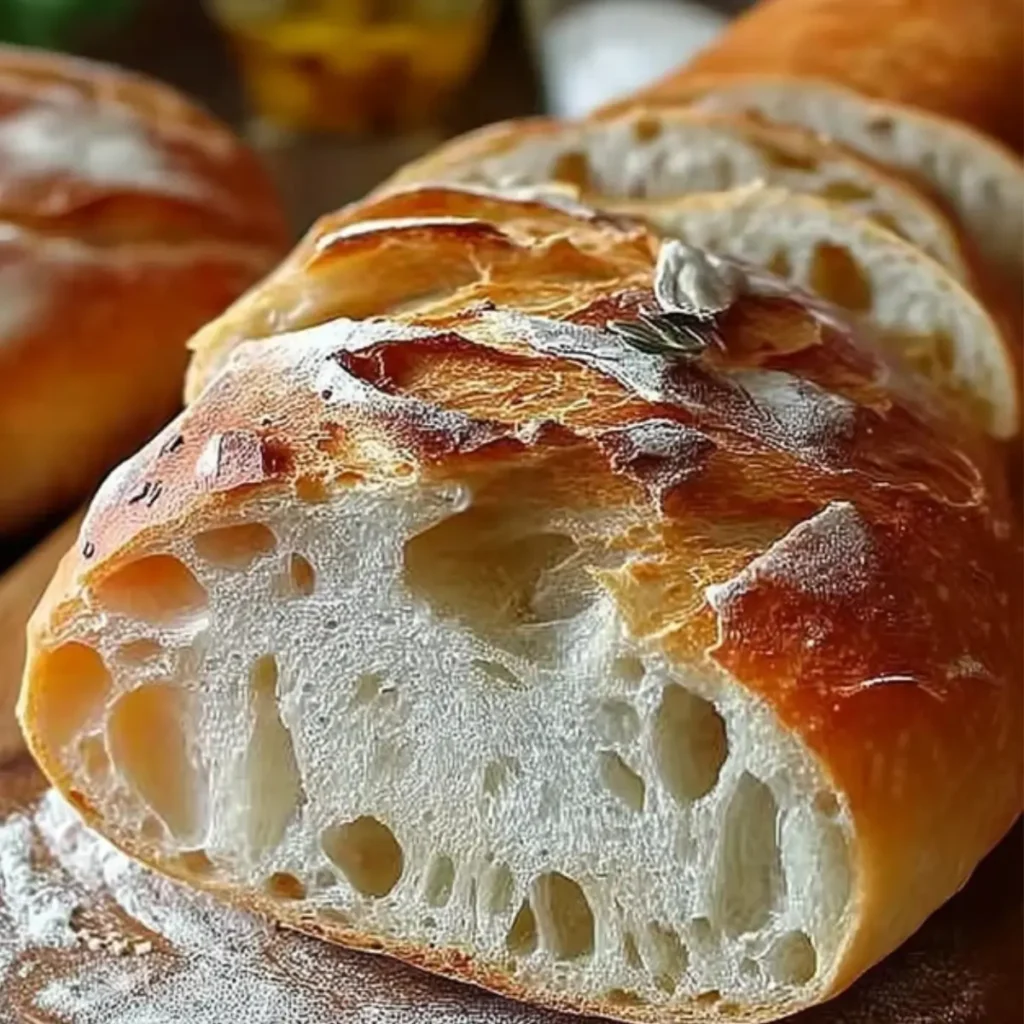
Table of Contents
Why This Crusty Italian Bread Recipe Works
This isn’t just another bread recipe—it’s a roadmap to rediscovering the joy of baking. You don’t need a stand mixer or a fancy Dutch oven. What you need is a little time, some quality ingredients, and the willingness to get your hands a little messy.
The process is approachable, even for beginners. Every step is straightforward, every ingredient accessible. But the results? Unmistakably impressive. A chewy, airy interior wrapped in a shatteringly crisp crust. It’s the kind of bread that can steal the show at dinner—or simply elevate your morning butter-and-coffee ritual.
Unlike more complex breads, this one doesn’t overwhelm you with multiple proofs, temperature tricks, or complicated shaping techniques. It focuses on what matters most: taste, texture, and ease.
Ingredients – What You’ll Need
Before you begin, gather your ingredients and make sure they’re fresh. Quality ingredients will always shine through in homemade bread, and they’re worth the small investment.
- 3 ½ cups all-purpose flour
- 1 ½ teaspoons salt
- 1 teaspoon sugar
- 1 packet (2 ¼ teaspoons) active dry yeast
- 1 ½ cups warm water (about 110°F)
- Cornmeal for dusting
If you want to elevate your loaf, consider using high-protein bread flour in place of all-purpose. It adds more structure and chewiness. Always check that your yeast hasn’t expired—fresh yeast makes all the difference in rise and texture.
Step-by-Step Instructions: How to Make Crusty Italian Bread
1. Activate the Yeast
Start by combining the warm water, sugar, and yeast in a large mixing bowl. Stir gently and let it sit for 5 to 10 minutes. You’re looking for the surface to become frothy and bubbly—a sign that your yeast is alive and ready to work.
If you don’t see any bubbling, don’t move forward. It’s better to start over than to end up with a dense, flat loaf.
2. Mix the Dough
Once your yeast is activated, add the flour and salt to the bowl. Use a wooden spoon or your hands to mix until a rough, shaggy dough forms. Don’t worry if it looks messy or uneven. That’s completely normal at this stage.
3. Knead the Dough
Turn the dough out onto a lightly floured surface. Knead it for about 8 to 10 minutes until it becomes smooth and elastic. You’ll feel the difference as the gluten develops—this is what gives the bread its structure and chew.
There’s no need to rush. Enjoy the tactile nature of kneading. It’s meditative, grounding, and oddly satisfying.
4. First Rise
Place your dough in a lightly greased bowl. Cover it with a damp cloth and let it rise in a warm, draft-free area for 1 to 2 hours. You’re aiming for it to double in size.
This is a good moment to step away. Let the dough do its thing while you relax, clean up, or prepare other elements of your meal.
5. Shape the Loaf
Once the dough has risen, punch it down gently to release the air. Shape it into a round or oval loaf and place it on a baking sheet dusted with cornmeal. The cornmeal not only prevents sticking but also adds a rustic texture to the bottom of the loaf.
6. Second Rise
Cover the loaf loosely with a cloth and allow it to rise again for 30 to 45 minutes. This secondary proof ensures a lighter crumb and a better oven spring.
7. Bake It
Preheat your oven to 450°F. Place a shallow pan of water on the bottom rack to create steam—this is the secret to that crispy crust.
Right before the bread goes in, use a sharp knife to score a few slashes across the top. This isn’t just decorative—it helps the bread expand evenly during baking.
Bake for 25 to 30 minutes until the crust is deep golden and the loaf sounds hollow when tapped on the bottom. Resist the temptation to cut into it right away. Let it cool on a wire rack so the interior finishes setting.
Flavor Variations & Adaptations
This recipe is wonderfully adaptable. Once you’ve mastered the base loaf, consider experimenting:
- Herb Infusion: Add fresh rosemary, thyme, or oregano to the dough.
- Garlic Kick: Mix in roasted garlic cloves for depth and aroma.
- Cheese Twist: Fold in shredded parmesan or mozzarella before shaping.
You can also let the dough rise in the fridge overnight. It develops a slightly tangier flavor and adds flexibility to your baking schedule. Just bring it back to room temperature before shaping and baking.
Storing & Reheating Tips
Freshly baked bread is best enjoyed the day it’s made, but if you have leftovers, there are ways to keep the magic alive.
- Short-term: Store in an airtight container at room temperature for up to 2 days.
- Long-term: Slice and freeze the loaf. Reheat slices directly in the toaster or oven.
Avoid microwaving—while convenient, it can ruin the crust and make the bread rubbery.
Nutritional Information (Per Serving)
- Serving Size: 1 slice
- Calories: 150
- Sugar: 0.5g
- Sodium: 290mg
- Fat: 0.5g
- Saturated Fat: 0g
- Unsaturated Fat: 0.5g
- Trans Fat: 0g
- Carbohydrates: 30g
- Fiber: 1g
- Protein: 4g
- Cholesterol: 0mg
FAQ – Crusty Italian Bread Questions, Answered
Can I use whole wheat flour instead of all-purpose?
You can, but be prepared for a denser loaf. Whole wheat absorbs more water and doesn’t rise quite as easily. Start by substituting half the all-purpose with whole wheat and adjust from there.
What if my crusty Italian bread doesn’t rise?
It’s often due to old yeast or a cool environment. Always check the expiration date on your yeast and proof your dough in a warm spot. If your kitchen is cold, place the bowl inside a turned-off oven with the light on.
Do I need a mixer to make this crusty Italian bread?
Not at all. This recipe is designed to be done entirely by hand. In fact, hand-kneading allows you to feel the dough’s texture and adjust as needed.
Conclusion
Making crusty Italian bread at home isn’t just about producing food—it’s about tapping into something timeless. It’s the kind of project that slows you down, grounds you in the present, and rewards you with something tangible and delicious.
You don’t need a bakery to enjoy an artisan loaf. You’ve got the tools and now the knowledge to make it happen in your own kitchen. As you experiment with variations and techniques, remember that every loaf you make is a step toward mastering a craft that’s as old as civilization itself.
So roll up your sleeves, trust the process, and enjoy every slice. When you do, don’t be surprised if friends start showing up more often—nothing brings people together quite like the smell of freshly baked bread.
More Tasty Ideas
- Easy Homemade White Bread Recipe: If you love the simplicity and satisfaction of baking crusty Italian bread, this classic white bread is a must-try. It’s soft, fluffy, and perfect for everything from sandwiches to morning toast, offering a comforting homemade flavor in every slice.
- Apple Bread: This moist and warmly spiced apple bread provides a sweet twist on traditional loaves. It’s an ideal complement to your crusty Italian bread experience, especially if you’re looking to explore homemade baking with seasonal fruit flavors.
- Amish Apple Fritter Bread: Rich with cinnamon swirls and chunks of apple, this indulgent bread brings a bakery-style touch to your kitchen. It pairs beautifully with the rustic charm of Italian bread for those who enjoy comforting, crowd-pleasing bakes.
Crusty Italian Bread

This crusty Italian bread features a golden, crackling crust and a soft, chewy interior. It’s a simple, satisfying homemade loaf perfect for pairing with butter, olive oil, or hearty meals.
Ingredients
- 3 ½ cups all-purpose flour
- 1 ½ teaspoons salt
- 1 teaspoon sugar
- 1 packet (2 ¼ teaspoons) active dry yeast
- 1 ½ cups warm water (about 110°F)
- Cornmeal for dusting
Instructions
- In a large mixing bowl, combine warm water, sugar, and yeast. Let sit for 10 minutes until frothy.
- Add flour and salt to the yeast mixture and stir until a rough dough forms.
- Turn the dough onto a floured surface and knead for 10 minutes until smooth and elastic.
- Place dough in a greased bowl, cover with a damp cloth, and let rise in a warm area for 2 hours or until doubled in size.
- Punch down the dough and shape it into a round or oval loaf. Place on a baking sheet dusted with cornmeal.
- Cover and let the loaf rise again for 45 minutes.
- Preheat oven to 450°F. Place a shallow pan of water on the bottom rack to create steam.
- Make slashes on top of the loaf with a sharp knife before baking.
- Bake for 30 minutes until the crust is golden and the loaf sounds hollow when tapped.
- Cool on a wire rack before slicing.
Notes
- Use bread flour for a chewier texture.
- To add flavor, mix in herbs, garlic, or cheese before shaping the dough.
- Letting the dough rise overnight in the fridge enhances flavor.
- If bread doesn’t rise, check that yeast is fresh and the environment is warm.