If you’ve been craving warm, homemade bread but don’t have hours to knead and proof, traditional Irish soda bread comes to the rescue. You get a crusty, golden loaf with rustic charm—no yeast or fancy equipment needed. The kitchen fills with that telltale toasty, tangy aroma as soon as it hits the oven, and it’s all ready before you even finish your cup of tea.
I love how it goes from a simple bowl of humble ingredients to a hearty, satisfying bread in less time than it takes to run to the shop. This is the kind of recipe that feels timeless, like it’s meant for foggy mornings or rainy afternoons when you want something cozy and grounding, but can’t be bothered with complicated steps.
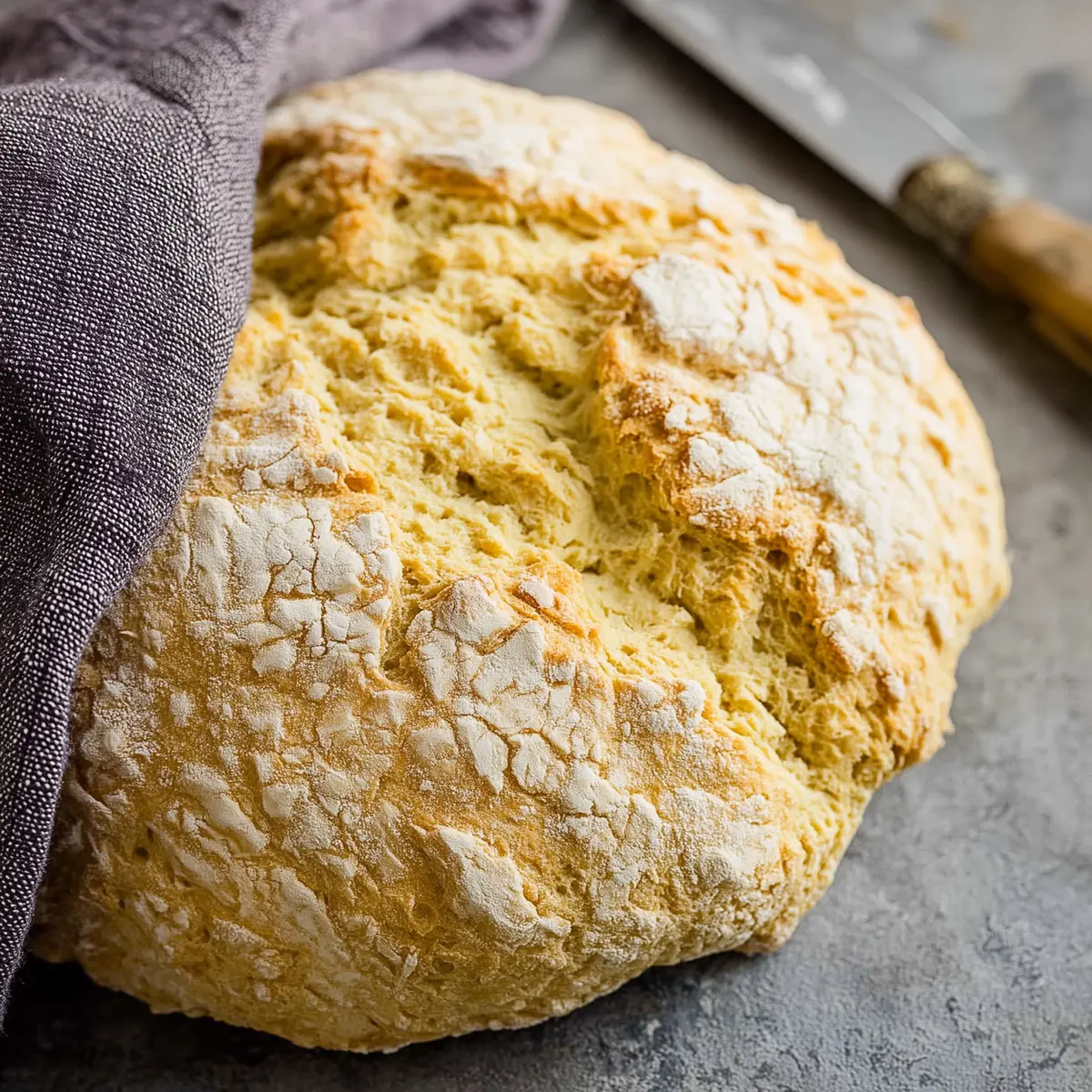
Why You’ll Love This Quick Irish Soda Bread
Sometimes, the best recipes are the ones that don’t require any fuss—just a bowl, a wooden spoon, and a bit of trust in the process. That’s why this traditional Irish soda bread has become such a staple in my kitchen. It’s fast, approachable, and gives you all the satisfaction of baking “real” bread without waiting around for dough to rise.
The outside bakes up gorgeously browned and crisp, while the inside stays soft, tender, and lightly tangy. Even on a busy weeknight, you can whip this up and have hot, homemade bread on the table before you know it. Plus, it’s incredibly versatile. Whether you slather it with butter, dunk it in soup, or snack on the golden crust with cheese, the flavor just feels like homey comfort—Irish style.
Traditional Irish Soda Bread Ingredients Explained
You’ll love how this classic loaf comes together with just a handful of straightforward, humble ingredients.
- – flour: forms the sturdy base and gives that signature chewy crumb.
- – Baking soda: reacts with the buttermilk to give the bread its lift and lovely airy texture.
- – Salt: brightens every bite and keeps things from tasting flat.
- – Cold buttermilk: brings a gentle tang and moistens the dough perfectly.
See the recipe card below for the full list of ingredients and measurements.
Ingredient Swaps to Make This Bread Your Own
If you find yourself missing an ingredient, traditional Irish soda bread is forgiving. You can use half plain whole wheat flour for deeper flavor, just add a bit more buttermilk if the dough feels stiff. For a dairy-free option, soured plant-based milk (stir a squeeze of lemon into non-dairy milk) will give you similar results. No buttermilk in the fridge? Stir a spoonful of white vinegar into ordinary milk and let it sit a few minutes to mimic that signature tang.
Add-ins like raisins, currants, or a sprinkle of caraway seeds give your loaf an extra layer of personality, though classic soda bread shines just as it is. You might even try a handful of oats on top for rustic flair.
How to Make Traditional Irish Soda Bread Step by Step
Making this bread is way easier than you might expect—and honestly, it’s one of those satisfying bakes where even the “messy” bits turn out beautifully in the end.
- Start by heating your oven nice and hot, lining your baking sheet, or greasing a sturdy skillet or pan. That ensures the loaf gets that lovely crisp bottom.
- In a wide bowl, whisk together the flour, baking soda, and salt so everything’s evenly distributed. This keeps the loaf light and avoids uneven pockets.
- Pour in the cold buttermilk. Use a wooden spoon or your hand to stir gently—the dough should quickly get shaggy and thick, just stiff enough you can barely stir.
- Scatter some flour on the counter and tip the dough out. Give it just a few quick, gentle kneads with floured hands; you want it to come together without overworking. It may look a bit rough but that’s what gives it character.
- Shape the dough into a rustic round and settle it onto your prepared baking tray or skillet. Take a razor-sharp knife and slash a cross into the top—deep enough for the classic look but not so deep it splits in half as it bakes. This helps the heat reach the center and gives that iconic “soda bread” finish.
- Pop it straight into the hot oven and let it do its magic. You’ll know it’s ready when the top is burnished golden and the base sounds hollow if you tap it. If you’re the type to double-check with a thermometer, the inside should register as perfectly baked.
- Leave the loaf to cool (at least a little!) so the crumb sets and the aromas mellow. But honestly, when it’s warm and steaming just beneath the crust, it’s seriously hard to resist slicing off an end piece right away.
Secrets for Perfect Soda Bread, Every Time
Skip overthinking—this loaf thrives on simplicity, but a few practical tips get you bakery-worthy results. First, use cold buttermilk and work quickly once it hits the dry mix. The main “secret” is not to knead too much—just enough for the dough to come together. Over-kneading makes even the most forgiving soda bread tough.
Cutting that deep “X” on top isn’t just for looks. It helps the heat reach the center and prevents the dense crumb that can sometimes strike with quick breads. If your loaf comes out a little lumpy or rustic-looking, don’t sweat it. That’s half the charm!
Soda bread dries out quicker than yeasted loaves, so wrap leftovers snugly or pop slices in the freezer straight away. For the ultimate next-day toast, a hot skillet or toaster will bring back a bit of that original crustiness.
Serving Ideas, Variations, and Bread Lover’s Twists
Traditional Irish soda bread begs to be served warm, cut into thick slices with butter melting into all the nooks. It stands up deliciously next to hearty Irish stews, soups, or even as the base for an epic breakfast with scrambled eggs and smoked salmon.
If you’re after variety, fold in a handful of raisins or currants for an old-school touch—think “spotted dog” style. Love savory flavors? Try a sprinkle of grated cheese or chopped chives stirred gently into the mix. For anyone wanting to make it ahead, just store extra slices in the freezer and plan to reheat in a warm oven or toaster for a nearly fresh-baked experience anytime.
This bread also handles sandwiches surprisingly well, especially with sharp cheddar or leftover roast. And if you’re looking to batch bake, you can turn the dough into petite buns or mini loaves—perfect for sharing (or hoarding, honestly).
FAQs about Traditional Irish Soda Bread
Do I need buttermilk to make traditional Irish soda bread?
You do need something acidic like buttermilk for classic soda bread, as it reacts with the baking soda to rise. If you’re out of buttermilk, sour regular milk with lemon juice or white vinegar and let it sit a few minutes—that’ll do the trick in a pinch.
How do I know if my soda bread is fully baked?
Your loaf is ready when the crust is deep golden, it sounds hollow when tapped on the bottom, and the inside is cooked through. If you want to check, the center of the loaf should feel springy and not doughy; a thermometer will read around 90°C if you use one.
Can I make traditional Irish soda bread gluten-free?
Yes, you can try a gluten-free all-purpose flour blend, but the texture may be a bit different—slightly more crumbly and less chewy. Make sure your blend contains a binding agent like xanthan gum for better results, and add a bit more liquid if the dough feels stiff.
How should I store leftover soda bread?
Keep leftover soda bread wrapped tightly at room temperature for a day or two, or freeze slices for longer storage. Toasting brings back its fresh-baked taste, and it’s lovely served alongside soups or breakfast dishes even after a few days.
Why You’ll Make This Traditional Irish Soda Bread Again
Once you’ve baked this traditional Irish soda bread, you’ll see why it’s been handed down for generations. It’s uncomplicated, forgiving, and utterly satisfying—a genuine pleasure to make and share.
Whether you need quick comfort food on a rainy day or want a rustic centerpiece for a cozy dinner, this loaf delivers every time. In a world that can feel a bit too busy, it’s nice to come back to something this simple (and delicious).
More Relevant Recipes
- Irish Scones: If you enjoy baking with simple ingredients, these delicious scones make a perfect accompaniment to tea or your homemade soda bread.
- Hearty Lamb Stew with Leeks and Potatoes: This comforting stew pairs wonderfully with soda bread, making for a quintessentially cozy Irish meal.
- Authentic Irish Stew: A perfect classic to complement your homemade soda bread for a hearty and satisfying Irish dinner experience.

Traditional Irish Soda Bread

Equipment
- baking sheet
- oven proof skillet
- cake pan
Ingredients
Ingredients
- 4 cups all-purpose flour
- 1½ teaspoons baking soda
- 1 teaspoon salt
- 2 cups cold buttermilk
Instructions
Instructions
- Preheat oven to 400℉. Line a baking sheet with parchment paper or grease well; set aside. You can also use an 8" cake pan or oven proof skillet.
- In a large bowl whisk together the flour, baking soda, and salt. Stir in the buttermilk just until combined and it starts to become too stiff to stir. Transfer to work surface and with floured hands lightly knead the dough 5-10 times or until all the flour is moistened and the dough comes together.
- Form dough into an 8" round. Place on the prepared pan and with a very sharp knife, cut a ¼-½" deep X on the top. Bake for 45-50 minutes or until golden brown, and it sounds hollow when tapped on the bottom. The loaf is also done when an instant read thermometer reads the center of the loaf at 195℉.