It’s late Saturday afternoon and my kitchen smells like sweet vanilla, citrus, and the gentle warmth of rising bread. There’s something incredibly inviting about making Italian Easter Bread with Small Dyed Eggs—rolling out silky dough, braiding together soft ropes, then nestling in jewel-toned eggs the kids dyed that morning. This isn’t just bread, it’s a centerpiece, a tradition, and a little taste of spring all at once. If you’re after that perfect mix of nostalgia, celebration, and fun, you’re in the right place.
Why Italian Easter Bread with Small Dyed Eggs Is Worth Making
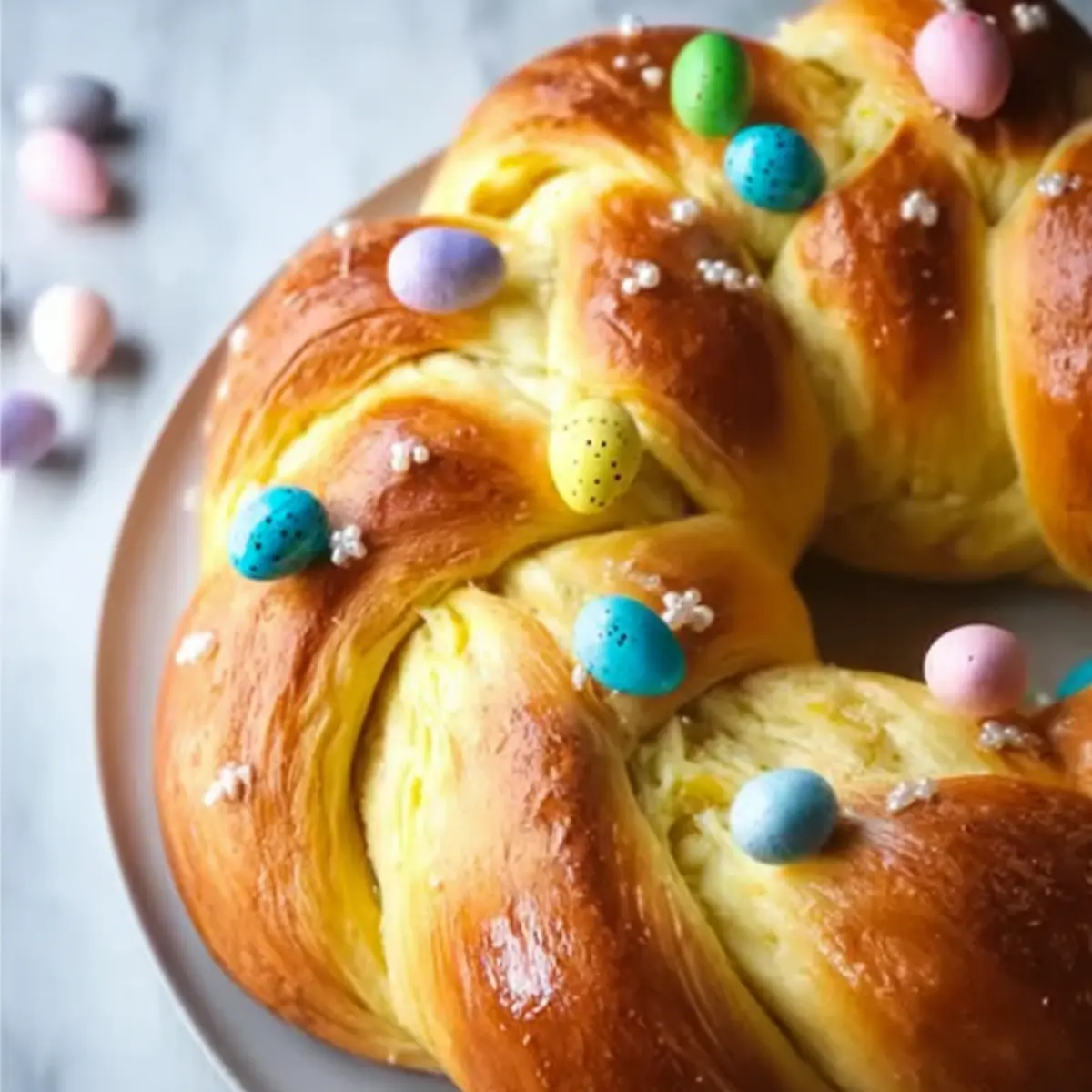
A loaf of Italian Easter Bread with Small Dyed Eggs never fails to steal the show. First of all, it’s stunning—soft, golden-brown braids woven with vibrant eggs, begging to sit center stage on your spring table. Slice after slice, you get pillowy bread that’s a little bit sweet and lightly perfumed with vanilla and citrus. Every bite hints at childhood Easters, the kind with sticky-fingered cousins and brightly colored eggs rolls that last all afternoon.
But there’s more to love than looks. This bread is surprisingly fun (and not nearly as fussy as it appears!). The method is hands-on and a little joyful—rolling, braiding, tucking in those tiny eggs. The dough is forgiving, so you can shape it into a showpiece wreath or make individual nests. Plus, every bite is a fresh reminder of family, celebration, and that cozy feeling of baking something beautiful from scratch.
What’s Inside This Italian Easter Bread with Small Dyed Eggs
Curious what goes into this festive masterpiece? Here’s a peek at the heart of Italian Easter Bread with Small Dyed Eggs:
- Flour – The soul of any bread, this forms the soft, pillowy structure that turns tender and airy once baked.
- Granulated sugar – Lends just the right touch of sweetness, making each slice lightly dessert-y but not cloying.
- Active dry yeast – The secret to a lofted, fluffy bread with (almost) effortless rise.
- Salt – Balances that sweetness and sharpens the flavor (don’t skip it, even if you’re a sugar-first person).
- Warm milk – Brings richness and moisture, and helps the yeast get nice and active—it’s the key to a tender crumb.
- Unsalted butter – For a melt-in-your-mouth crumb and buttery taste you’ll notice in every bite.
- Eggs – Make the dough soft and golden, with a rich texture that never feels dry.
- Vanilla extract – Just enough to perfume the bread and add that classic hint of warmth.
- Orange zest – The little zing that lifts everything up, makes it taste like spring in bread form.
- Egg yolk + milk (for egg wash) – This duo paints the bread glossy and helps it turn golden (like that golden-brown bakery finish).
- Small raw dyed eggs – Use quail eggs or small pullet eggs; they’ll bake in the bread for that iconic festive look and perfectly cooked center.
- Sprinkles (optional) – For a pop of color and a nod to childhood traditions. Purists can skip, but why not add a little sparkle?
See the recipe card below for the full list of ingredients and measurements.
How to Shape and Bake Italian Easter Bread with Small Dyed Eggs
Here’s how you’ll make Italian Easter Bread with Small Dyed Eggs in your own kitchen—right down to that irresistible golden crust and jewel-like eggs nestled in the braids.
- Get the yeast going. In a small bowl, whisk together your warm milk, a spoonful of sugar, and the yeast. Wait until the surface looks foamy—it should bubble up and smell alive! If it stays flat, it’s best to start over with fresher yeast.
- Build your dough. Pour the flour into a large bowl. Toss in salt, then make a well in the center for the yeast mixture, melted butter, eggs, vanilla, and bright orange zest. Start mixing until you get a shaggy, sticky mass—don’t worry, it’ll come together as you knead.
- Knead until smooth and springy. Dust your countertop lightly, then knead by hand (or use a stand mixer with a dough hook) until the dough feels elastic, soft, and stops clinging to your fingers. You want it to feel bouncy when pressed.
- Let it rise. Drop the dough into a greased bowl, cover with a towel, and place somewhere warm. It should double—look for a tall, puffy mound that smells a little sweet and yeasty.
- Braid the magic. Once risen, gently punch down the dough. Split it into three even pieces, then roll each piece into long ropes. Line them up, press the ends, and braid together loosely. You can curve it into a ring for a wreath or keep it straight like a classic loaf. Tuck the ends underneath so nothing unravels.
- Tuck in the eggs. Press the small, raw dyed eggs gently into the folds of the braid. They’ll look like hidden treasures peeking out and will cook to perfection as the bread bakes.
- Add the glossy finish. Stir an egg yolk with a splash of milk. Use a pastry brush to coat the surface of the bread all over, then scatter on sprinkles if you’re feeling festive.
- Bake until golden. Slide the bread into your preheated oven. It’s ready when the top’s a deep, shiny gold and the kitchen smells like dreams (the eggs will be softly set inside their little nests).
- Cool slightly, then serve. Let your bread rest on a rack so it doesn’t get soggy underneath. Serve while still warm if you can—each slice should have a cloudlike crumb and the delicate, sweet scent of orange and vanilla.
Little Hands, Big Flavor: Tips for Italian Easter Bread with Small Dyed Eggs
Baking Italian Easter Bread with Small Dyed Eggs feels like bringing a bit of childhood to the table, and a few tricks make it extra memorable. Don’t be shy about letting little hands help shape and braid—imperfections only make it more charming. If you want the bread ultra-soft, stick with bread flour, but all-purpose works beautifully too.
Watch your milk temperature—too hot and the yeast might get zapped, too cool and it won’t activate properly. Aim for slightly warmer than body temp, but not steaming. Kneading is important but don’t stress over five or eight minutes—when the dough feels springy and smooth, you’re golden.
When pressing in your dyed eggs, don’t force them too deep; a gentle touch lets them stay visible during baking but avoids cracks. For the prettiest finish, use an egg wash and bake until you get a rich, golden color—you want that bakery window look. If you’re worried about overbaking, tent the bread with foil toward the end if it’s browning too fast.
Store any leftovers in a loose wrap at room temp, and if it’s a day old, toast slices for a breakfast treat (a bit of butter or jam is never wrong). The bread will stay soft for a couple of days, so you can bake ahead and still have a beautiful loaf come Easter morning.
Festive Twists and Serving Ideas for Italian Easter Bread with Small Dyed Eggs
When it’s time to serve your Italian Easter Bread with Small Dyed Eggs, you’ve got options to suit every mood and gathering. The classic large ring, nestled with eggs of all shades, makes a centerpiece for brunch or even as a sweet gift. For something different, divide the dough into smaller strands to make individual braided nests—one mini bread for each guest, egg and all.
You can play with flavors easily. Swap the orange zest for lemon to give the bread a sharper citrus kick, or add a sprinkle of anise seeds for a truly traditional twist. If you’re feeling creative, tuck a little ribbon through the wreath after baking for a festive touch.
Pair your bread with something fresh and bright. A salad tossed with citrus vinaigrette, a fruit platter, or a simple platter of roasted asparagus all sing with this loaf beside them. For drinks, strong coffee is a winner, or go classic and pour some sparkling wine for a real celebration.
This bread is also a star the next day. Toast leftover slices and slather with mascarpone, whipped cream, or even a drizzle of honey. And yes, it makes a pretty magical breakfast when you’re still in pajamas and the house smells faintly of sweet vanilla.
FAQs about Italian Easter Bread with Small Dyed Eggs
Can I prepare Italian Easter Bread with Small Dyed Eggs ahead of time?
Absolutely! You can make the dough the evening before, let it rise in the fridge overnight, and finish shaping, adding eggs, and baking the next day. The baked bread also keeps beautifully for a couple of days, staying soft and flavorful at room temperature.
Do the eggs really cook through when baked in the bread?
Yes, the raw dyed eggs will cook fully as the bread bakes, ending up like hard-boiled eggs tucked inside the loaf. Just make sure you use small eggs (like quail or pullet eggs), press them in gently, and keep an eye on the baking time to ensure both bread and eggs are done.
What’s the best way to store leftover Italian Easter Bread with Small Dyed Eggs?
Once cooled, wrap the bread loosely in foil or place it in a bread bag. Store at room temperature for up to two days to keep it soft. If you want to freeze it, wrap tightly and freeze without the dyed eggs for best results, then thaw at room temperature and warm gently before serving.
Can I make this recipe with regular-sized chicken eggs instead of small dyed eggs?
You can, but regular eggs are heavier and can sometimes sink or not bake through as neatly in the bread. If using them, use fewer and space them well so they cook evenly. They’ll still look pretty, just a bit more rustic and bold.
Bringing Italian Easter Bread with Small Dyed Eggs to your table means sharing a little joy, a lot of color, and irresistible softness that’s just right for the holiday—or any spring afternoon when you need a pick-me-up. Serve it warm, let everyone break off a piece, and enjoy the simple magic of baking tradition into every bite.
More Delicious Recipes
- Irish Soda Bread No Yeast Bread: This simple bread recipe highlights traditional flavors and is a delightful option, especially for those who enjoy homemade breads.
- Traditional Irish Soda Bread: Celebrate spring with this classic recipe that offers a comforting and slightly sweet bread, just like the Italian Easter bread.
- 3-Day Oatmeal Chocolate Chip Breakfast Muffins: With a soft and sweet crumb, these muffins bring a delightful twist to breakfast, much like the festive vibe of Easter bread.
Italian Easter Bread with Small Dyed Eggs Recipe

Equipment
- mixing bowl
Ingredients
Ingredients
- 3 ½ cups all-purpose flour
- ¼ cup granulated sugar
- 1 packet (2 ¼ tsp) active dry yeast
- ½ tsp salt
- ⅔ cup warm milk (about 110°F)
- ¼ cup unsalted butter, melted
- 2 large eggs
- 1 tsp vanilla extract
- 1 tsp orange zest
- 1 egg yolk + 1 tbsp milk for egg wash
- 5-6 small raw dyed eggs (quail eggs or small pullet eggs)
- Sprinkles (optional)
Instructions
Instructions
- ACTIVATE THE YEAST: In a small bowl, mix the warm milk, sugar, and yeast. Let it sit for about 5 minutes until foamy. If it doesn’t foam, start with a fresh batch of yeast.
- PREPARE THE DOUGH: In a large mixing bowl, combine the flour and salt. Make a well in the center and add the yeast mixture, melted butter, eggs, vanilla, and orange zest. Stir until a shaggy dough forms.
- KNEAD AND LET IT RISE: Turn the dough onto a lightly floured surface and knead for about 8-10 minutes until smooth and elastic. If using a stand mixer with a dough hook, knead for about 5 minutes on medium speed. Place the dough in a greased bowl, cover it with a towel, and let it rise in a warm place for about 1 ½ hours or until doubled in size.
- SHAPE THE BREAD: Once risen, punch down the dough and divide it into three equal parts. Roll each section into a long rope, about 14 inches in length. Braid the ropes together, tucking the ends under. The bread can be shaped as a long braided loaf or formed into a circular wreath. Both styles create a beautiful presentation and allow the dyed eggs to nestle into the dough.
- ADD THE SMALL DYED EGGS: Gently press the small raw dyed eggs into the folds of the braid. These eggs will cook as the bread bakes, resulting in perfectly hard-boiled eggs.
- EGG WASH AND BAKE: Preheat the oven to 350°F (175°C). Brush the bread with an egg wash made from the egg yolk and milk. Sprinkle with sprinkles if using. Bake for 25-30 minutes, or until golden brown and fully baked.
- COOL AND SERVE: Let the bread cool slightly before serving. The eggs will be cooked through, and the bread will be soft and fragrant.