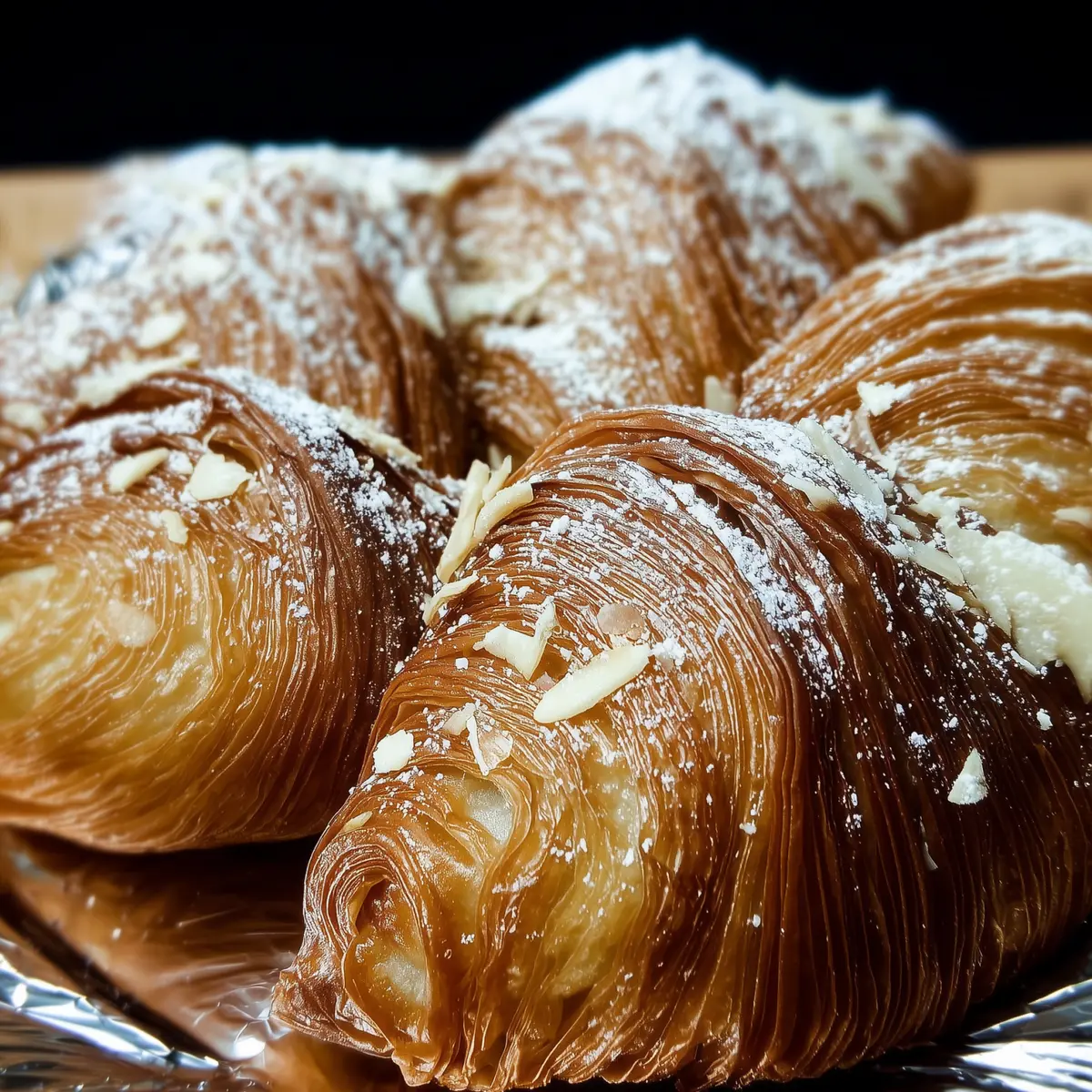
The first time I bit into a sfogliatella, I knew I was tasting more than just a pastry—this was a piece of Naples itself. That bronzed, shell-shaped exterior made an audible crackle, shattering into feathery layers to reveal an aromatic ricotta filling, studded with flecks of citrus and orange. It’s the kind of pastry that fills your kitchen with the fragrance of warm vanilla and candied fruit, and lures neighbors to your door—just to find out what you’re baking.
What Makes This Sfogliatella Recipe So Irresistible
Biting into a freshly baked sfogliatella is an experience—each pastry boasts a blissful contrast of textures and flavors that only Naples could dream up. The exterior crackles with every bite, thanks to those famous, delicate layers. Inside, the filling is creamy but light, not overly sweet, and redolent of orange and vanilla. There’s a whisper of honey in the dough and just enough vanilla in the filling to bring out the sheep’s milk ricotta’s rich tang. It’s a labor of love, but I promise, the journey to that first golden pastry makes the whole house feel like a joyful, busy Neapolitan bakery.
The Ingredients That Give Sfogliatella Its Naples Magic
The magic of sfogliatella is in the attention to detail—each ingredient brings something irreplaceable to the table.
- Bread flour (Manitoba flour) – This high-protein flour is the secret to the pastry’s signature stretch and delicate crunch. If you only have strong bread flour, you’re on the right track.
- Semolina flour – Used in the filling, semolina adds structure and just a touch of hearty bite to contrast the creamy ricotta.
- Water – Needed for both the dough and the semolina filling. Go cold for the dough; hot for the filling.
- Salt – A key flavor enhancer, balancing both the pastry and the filling with just enough savory backbone.
- Honey – A drizzle in the dough brings a touch of warmth and helps with browning in the oven.
- Lard – The real secret behind those impossibly “shatter-y” layers. You can substitute with vegetable shortening, but lard delivers unmatched crispness.
- Sheep’s milk ricotta – For true Naples flavor; it offers a richer and tangier note than cow’s milk ricotta. But if that’s hard to find, use the best, thick ricotta you can get.
- Sugar – Just enough to gently sweeten the filling and coax caramel notes out of the pastry.
- Eggs and egg yolk – An egg helps set the filling; a yolk brushed on top ensures a burnished, golden crust as they bake.
- Vanilla extract – Rounds out the filling with mellow, comforting sweetness.
- Grated orange zest and candied orange peel – The citrus in the filling is what really brings sfogliatella to life. Use plenty for the best aroma.
- Powdered sugar – A generous dusting before serving gives that finishing touch, like snow on Neapolitan rooftops.
See the recipe card below for the full list of ingredients and measurements.
Crafting Sfogliatella Layer by Layer in Your Own Kitchen
Making sfogliatella at home means embracing the process—there’s something meditative about building layers, blending filling, and shaping each pastry by hand. I recommend starting the dough the day before you plan to bake for the flakiest result.
- Begin with the dough: Mix water, bread flour, a little honey, and salt in a large bowl, kneading until it’s smooth and springy. Cover and let it rest, giving the gluten time to relax while you clean up the counter or sneak in a coffee.
- Roll and stretch: Divide the rested dough into four, then, using a pasta machine, work each piece gradually thinner until it’s nearly see-through. Don’t rush—this is where patience pays off. Brush each dough sheet with melted lard, but leave the edges clean for when you stack.
- Roll up the dough: Take the first sheet, roll it tight, then add the next, continuing to brush lightly with more lard. As you roll, keep it snug so you build that iconic swirl when later slicing. Once finished, coat the outside in lard, wrap up, and let it chill for a full day in the fridge—this is non-negotiable for those shattering layers!
- Prepare the filling: Boil water, then whisk in semolina flour continuously until the mixture forms a dry, firm mass. Let it cool. In a stand mixer, blend together sheep’s milk ricotta, sugar, eggs, vanilla, orange zest, candied orange peel, and your cooled semolina. The result should be creamy and smooth, with little flecks of orange shining through.
- Shape the pastries: Cut the chilled dough log into thick, 1-cm discs. With gentle pressure and a little patience, massage each disc with your fingers, coaxing it into a shallow cone without tearing. Fill each cone with the prepared ricotta mixture, but don’t overstuff—you want a neat reveal in every bite. Pinch the open end shut.
- Bake to golden perfection: Arrange the stuffed pastries on parchment-lined trays. Brush them with beaten egg yolk, then slide into a piping hot oven. In just under half an hour, the kitchen will fill with the scent of caramel and citrus, and you’ll see those famous layers begin to separate and crisp. Let them cool slightly, then dust liberally with powdered sugar.
Achieving That Flaky Crisp and Creamy Filling Balance
The soul of a great sfogliatella is all in the contrast—ultra-crispy, almost glass-like layers on the outside, and a filling that straddles the line between creamy and just set. Don’t skimp on the dough resting and chilling time. That long, cold pause is what allows the layers to puff up and shatter in the oven. When shaping, take care not to tear the shell; even if your first few are more “rustic,” they usually still taste fantastic. The filling should be cool before you add it, ensuring it bakes up smooth and doesn’t leak. And for that burnished golden finish, the egg yolk wash is your friend.
Tips, Serving Suggestions, and Variations for Sfogliatella at Home
If you’re looking to take your sfogliatella to the next level or adapt it to your own kitchen, here are a few ideas. Don’t have lard? Substitute with a good quality shortening, though traditionalists will argue nothing beats lard for crunch. You can swap cow’s milk ricotta for sheep’s milk if necessary—just try to drain it well for the best texture. Got leftover filling? Pipe it onto toast or serve with fresh fruit for breakfast. Sfogliatella are best eaten the day they’re baked, but you can revive leftovers in a hot oven for a few minutes to bring back the crispness. Enjoy these pastries with a strong espresso, as an impressive brunch centerpiece, or as a sweet finish to a special Italian feast.
FAQs about Sfogliatella
Can I make sfogliatella ahead of time?
Yes, you can prepare the dough and the filling the day before, assembling and baking just before serving. The shaped, unbaked pastries can also rest in the fridge for a few hours before baking.
What is the best way to store leftover sfogliatella?
Keep leftover sfogliatella in an airtight container at room temperature for up to a day. After that, the filling may start to make the pastry less crisp, but a brief reheat in a hot oven can restore some texture.
Can I freeze sfogliatella before or after baking?
Sfogliatella freeze best before baking. Shape them, place on a tray to freeze individually, then transfer to a sealed bag. When ready to bake, allow them to sit at room temperature for a bit, then bake as usual (adding a few extra minutes if baking from frozen).
What makes sfogliatella different from other Italian pastries?
Sfogliatella stand out for their laminated layers—the dough is rolled and stretched wafer-thin, then layered with lard and rolled into a log. When baked, this creates a crispy, shell-shaped pastry unlike any other, filled with a ricotta-based citrus filling that’s uniquely Neapolitan.
Is it possible to substitute any ingredients in this sfogliatella recipe?
For the filling, you can use cow’s milk ricotta if sheep’s milk isn’t available, and pure vanilla extract always works well. Margarine or shortening can stand in for lard in the dough, but expect a slightly different flavor and texture.
After one bite of your homemade sfogliatella—warm, crisp, and fragrant with orange and vanilla—you’ll understand why this pastry is the pride of Naples. Each swirl and flake is earned, and every bite feels celebratory. Pull up a chair, brew something strong, and enjoy the sweet satisfaction of sharing this classic with someone you love.
More Delicious Recipes
- Italian Pastry Cream: This creamy pastry cream is a key ingredient in many Italian desserts, including fillings for pastries like sfogliatella.
- St. Joseph’s Pastries: Similar in style to sfogliatella, these pastries feature a delightful ricotta filling and are a festive treat in Italian cuisine.
- Puff Pastry Chocolate Croissants: If you’re a fan of flaky pastries, these chocolate croissants offer a sweet twist with a buttery, layered texture similar to that of sfogliatella.
The Ultimate Sfogliatella Recipe: A Taste Of Napoli
Equipment
- pasta machine
Ingredients
Ingredients
- 1 cup Water
- 1 cup Semolina Flour
- 1/2 teaspoon Salt
- 10.5 oz Sheep's Milk Ricotta
- 1 cup Sugar
- 1 Egg (beaten)
- 0.2 oz Candied Orange Peel (5 g, finely chopped)
- 1 tablespoon Vanilla Extract
- Grated Orange Zest as needed
- 3 1/3 cups Bread Flour (Manitoba Flour)
- 3/4 cup Water
- 1/2 teaspoon Salt
- 1 tablespoon Honey
- Lard as needed
- 1 Egg Yolk (beaten for brushing)
- Powdered Sugar for dusting
Instructions
Instructions
- Mix the water, flour, honey, and salt in a bowl until the dough is smooth and homogeneous.
- Let the dough rest for 30 minutes, covered with a damp cloth.
- Divide the dough into 4 pieces and roll each one out with a pasta machine, starting at the thickest setting and gradually rolling to the thinnest setting.
- Brush each sheet with melted lard (leave a 2-inch margin unbrushed on each side).
- Roll the first sheet tightly, then overlap with the next sheet and continue rolling.
- Brush lard on each layer as you roll.
- Once the roll is complete, coat the outside with lard, wrap in plastic wrap, and refrigerate for 24 hours.
- In a saucepan, bring water to a boil and slowly whisk in the semolina flour. Cook, stirring constantly, until the mixture forms a firm, dry dough.
- Let the semolina mixture cool.
- In a mixer, combine ricotta, sugar, eggs, vanilla extract, grated orange zest, candied orange peel, and the cooled semolina. Blend until smooth.
- Remove the dough roll from the refrigerator and slice it into 1-cm-thick rounds.
- Gently massage each slice with your fingers to form a cone shape, creating a pocket for the filling.
- Spoon the ricotta filling into the cone, ensuring it’s not overfilled, then pinch the open edges to close.
- Preheat the oven to 356°F (180°C).
- Place the sfogliatelle on a baking sheet lined with parchment paper.
- Brush the tops with beaten egg yolk for a golden finish.
- Bake for 25 minutes, or until the pastries are golden and crisp.
- Allow the sfogliatelle to cool slightly.
- Dust generously with powdered sugar before serving.