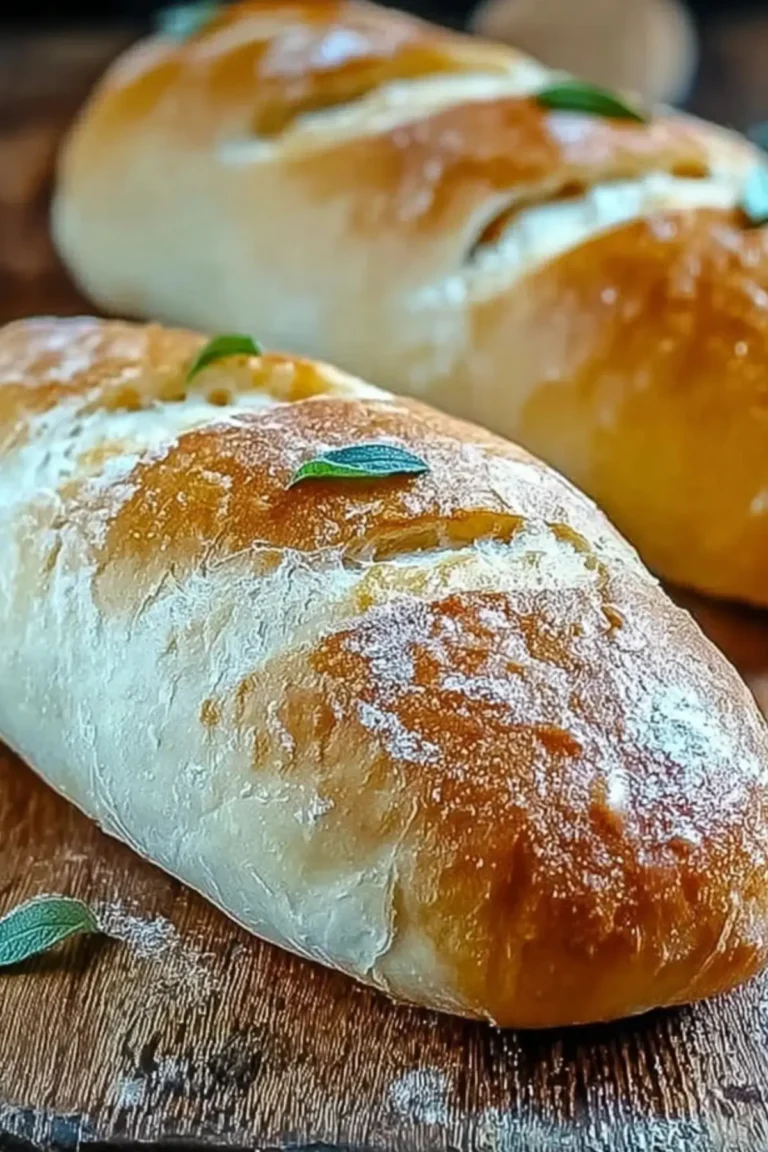
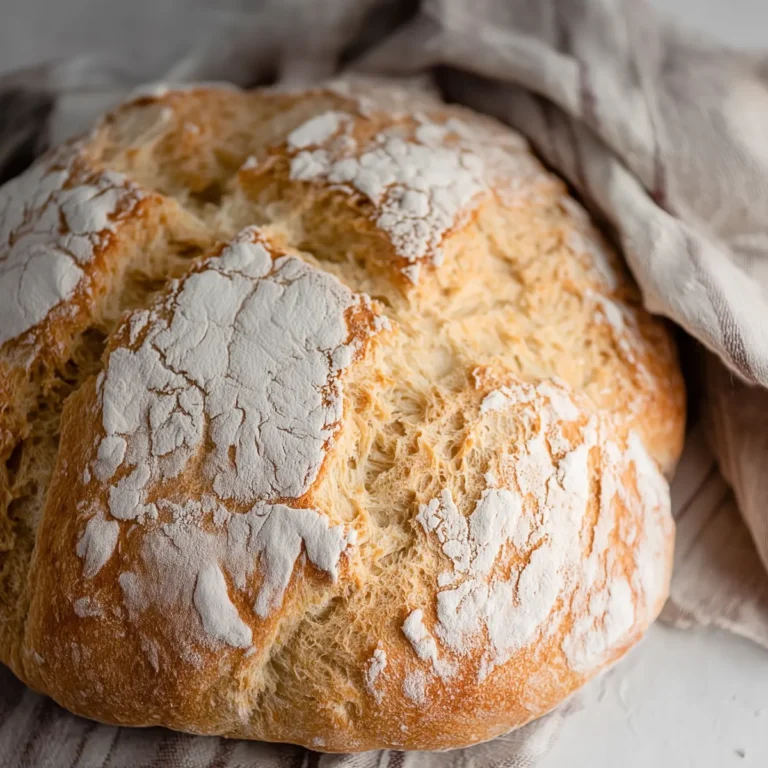
If you’ve ever dreamt of baking homemade bread without all the waiting around for dough to rise, St Patrick’s Day Irish Soda Bread is about to become your new favorite. You get that satisfying golden crust, a chewy, tender middle, and just enough sweetness from juicy raisins—all in the time it takes to clear the kitchen of flour dust. No yeast, no stress, and no tricky techniques.
I’ve thrown this together with cold fingers on a blustery March afternoon, butter melting in the bowl as the oven clicks to life. The aroma of freshly baked bread and subtle caraway hits your nose way before you even slice in. It’s humble, celebratory, and ridiculously easy—basically the ultimate comfort bake for St. Patrick’s Day or anytime you want those cozy, homey Irish vibes in your kitchen.
Why This Soda Bread Stands Out for St Patrick’s Day
If you’re in a rush to get something freshly baked onto your holiday table, soda bread delivers big flavor with little fuss. You don’t have to babysit a rising dough or fret over perfect kneading—the magic here is in simplicity.
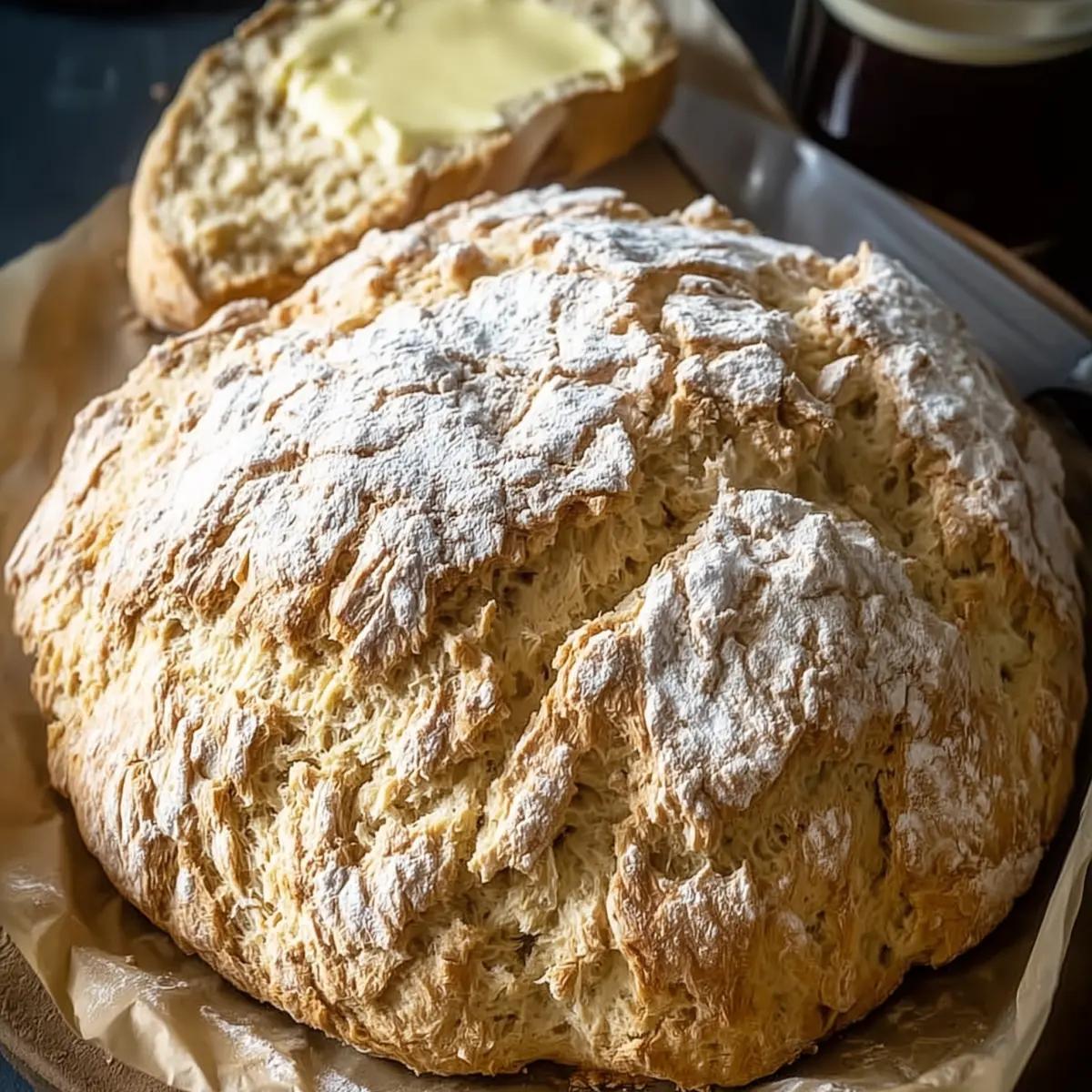
What makes this St Patrick’s Day Irish Soda Bread irresistible is the mix of a crunchy, rustic crust and an inside that’s soft but sturdy enough to hold up to a generous pat of butter. Sweet raisins add cheerful pops of flavor, while caraway gives an optional old-world twist. It’s a nod to genuine Irish traditions but fits snugly into busy lives, making it perfect for last-minute plans or leisurely bakes alike.
Plus, this soda bread is a crowd-pleaser at breakfast or dinner. Serve it warm with soup, a fried egg, or just slathered with creamy butter and you’ve got a dish that makes everyone linger a little longer around the table.
The Heart of Traditional Irish Soda Bread Ingredients
Nothing fancy—just honest, easy-to-find ingredients. Here’s what brings a proper soda bread to life:
- – flour: the essential backbone that creates structure and that signature rustic crumb
- – Granulated sugar: just enough sweetness to balance out the tang and help create a beautifully golden crust
- – Baking soda: this is what gives the bread its rise without yeast—expect a gentle lift and tender texture
- – Salt: sharpens the flavors and keeps the bread from tasting flat
- – Unsalted butter: worked in cold for that melt-in-your-mouth tenderness and homey, rich undertone
- – Buttermilk: brings slight tang and teams up with baking soda to create signature lift
- – Egg: adds subtle richness and brings everything together
- – Raisins: these sweet bursts make the loaf extra special, perfect for both breakfast and tea
- – Caraway seeds (optional): a nod to tradition, these give a unique earthy pop if you like
See the recipe card below for the full list of ingredients and measurements.
Smart Swaps for What’s on Hand
Missing something but craving that traditional Irish soda bread recipe? Make it your own. If you’re out of buttermilk, just add a splash of lemon juice or vinegar to plain milk and let it sit for a minute—voilà, instant tang.
Don’t do raisins? Dried cranberries, chopped apricots, or even chocolate chips will add a fun twist. Want a savory loaf? Skip the fruit and seeds, and toss in chopped fresh herbs, roasted garlic, or a shower of sharp cheese. For dairy-free bread, use a plant-based butter and non-dairy milk soured with a little vinegar. You’re after that same moist texture and bright, balanced bite.
Step-by-Step: How to Make St Patrick’s Day Irish Soda Bread
Baking soda bread is less about rules, more about feel. Here’s how to make your own loaf, no bakery skills required.
- Heat your oven and get your baking tray or skillet ready—lining it helps prevent sticking and guarantees an easy release later.
- In a big bowl, whisk together all the dry ingredients. This helps everything rise evenly and makes mixing stress-free.
- Add cubes of cold butter. Work it in with your fingertips or a pastry cutter until you see coarse, pea-sized crumbs. Cold butter ensures pockets of tenderness in every slice.
- Whisk the buttermilk and egg in a smaller bowl. Pour this mixture over the flour mix and loosely stir. Don’t overdo it—less mixing gives you a softer crumb.
- Add in the raisins and a handful of caraway seeds if you’re using them. Gently fold them into the dough. It may feel sticky; that’s normal.
- Turn out the dough onto a floured surface. Shape it by hand into a rustic round loaf—no rolling pin needed, just coax it together.
- Transfer the dough to your prepped tray or skillet. Use a sharp knife to make a deep cross on top—this helps it bake through and gives it that classic soda bread look.
- Bake until the bread is deep golden, the crust crisp, and tapping the bottom sounds hollow. Your kitchen will smell amazing.
- Cool on a wire rack. Slicing while warm is tempting, but a brief rest keeps the crumb tender and the texture just right.
Kitchen Wisdom: Soda Bread Tips and Tricks
A few simple tricks can turn a good Irish soda bread into a fantastic one. First, work the dough as little as possible. The more you mix, the tougher it’ll get—think shaggy, just combined.
Always use cold butter straight from the fridge. It’s the secret to achieving those tender, almost flaky layers inside. If you love a deeper flavor, try browning your butter before chilling and adding it in for a nutty twist.
The deep cross you score into the loaf isn’t just tradition—it lets heat work its way all through the bread for an even bake. And don’t skip cooling on a wire rack; trapped steam makes for a dense, doughy middle.
Once baked, keep any leftovers tightly wrapped to stay soft. Day-old slices toast up perfectly—just add butter or jam to revive the crumb. You can even freeze chunks of soda bread for future rainy-day cravings; bring to room temp or warm briefly in the oven to freshen up.
Perfect Pairings & Creative Variations for Every Occasion
St Patrick’s Day Irish Soda Bread works for any meal. Pair thick slices with a bowl of hearty stew or creamy soup for a dinner that feels like a big Irish hug. Try it toasted the next morning, loaded with butter, marmalade, or a drizzle of honey.
In the mood for something sweeter? Swap the raisins for dark chocolate chunks and stir in orange zest. Or skip the sweetness altogether and load the dough with sharp cheddar and scallions for a rustic, savory loaf straight out of a farmhouse kitchen.
If you’re hosting, slice and serve this bread alongside cheese boards, smoked salmon, or prosciutto for simple party bites. And yes, you can bake it ahead—just cool completely and wrap well, or freeze for longer storage.
FAQs about St Patrick’s Day Irish Soda Bread
What makes Irish soda bread different from regular bread?
Irish soda bread skips the yeast and relies on baking soda for lift, so it’s faster to make and has a unique, rustic texture. The result is heartier, denser, and a little tangy compared to sandwich loaves.
Do I need a special pan or can I use anything?
You don’t need any fancy pans—a simple baking tray or well-greased cast iron skillet will work. A cast iron pan can give you a crispier bottom, but either option turns out great.
Can I make this bread without raisins or caraway seeds?
Absolutely, just leave out the raisins or caraway seeds if you’re not a fan. The bread will still turn out beautifully moist and flavorful, ready for sweet or savory spreads.
How should I store soda bread and how long does it last?
Soda bread is best eaten fresh but will keep for a couple of days wrapped tightly at room temperature. For longer storage, freeze slices and reheat as needed to bring back that fresh-baked feel.
Bringing It All Together
St Patrick’s Day Irish Soda Bread is one of those bakes you’ll want to revisit every time you need something quick, comforting, and a little bit celebratory. Whether you’re new to bread baking or just short on time, you’ll get big rewards from simple steps.
You end up with a loaf that’s golden, rustic, and generously studded with bursts of sweetness. It fits just as easily on a St. Patrick’s Day feast table as it does at a cozy weekday breakfast. Here’s to kitchen traditions—old and new—that bring us together, one good slice at a time.
More Tasty Ideas
- Easy Homemade Bread: This recipe offers a straightforward approach to baking fresh bread, perfect for those cozy moments in the kitchen.
- Artisan Bread: Celebrate simple ingredients and techniques with this rustic bread that’s as satisfying to make as it is to eat.
- Air Fryer Garlic Bread: If you’re looking for a delightful side, this garlic bread complements any meal, echoing the comfort of your soda bread.

St Patrick’s Day Irish Soda Bread

Equipment
- baking sheet
- cast iron skillet
Ingredients
Ingredients
- 4 cups all-purpose flour
- 1/4 cup granulated sugar
- 1 teaspoon baking soda
- 1 teaspoon salt
- 1/2 cup unsalted butter, cold and cubed
- 1 1/2 cups buttermilk
- 1 large egg
- 1 cup raisins
- 1 tablespoon caraway seeds (optional)
Instructions
Instructions
- Preheat oven to 375°F (190°C) and line a baking sheet with parchment paper or lightly grease a cast iron skillet.
- In a large bowl, whisk together flour, sugar, baking soda, and salt until evenly combined.
- Add cold cubed butter and cut it into the flour mixture using a pastry cutter or your fingertips until it resembles coarse crumbs.
- In a separate bowl, whisk together the buttermilk and egg until smooth.
- Pour the wet ingredients into the dry ingredients and stir gently until a soft dough forms. Do not overmix.
- Fold in the raisins and optional caraway seeds until evenly distributed.
- Turn the dough onto a lightly floured surface and shape it into a round loaf.
- Place the loaf on the prepared baking sheet and cut a deep cross on top using a sharp knife.
- Bake for 40–50 minutes, or until the crust is golden brown and a toothpick inserted in the center comes out clean.
- Allow the bread to cool on a wire rack before slicing and serving.